Tamper-Resistant Enclosures: What Actually Prevents Physical Damage
Jun 1, 2026
Every route operator knows the feeling of walking into a location and seeing a door slightly askew. It only takes about ten seconds for things to go wrong. Once a thief gets a pry bar into the gap between the door and the frame, the clock starts ticking. If they can reach inside and smash your alarm module or snip a wire, your security investment just became a pile of scrap metal.
The thing is, most security systems are designed for labs. They aren't built for the back of a smoky bar or a high-traffic vending bank. In the field, a tamper-resistant enclosure is not a luxury. It is the final line of defense that keeps the siren screaming when the physical cabinet has already failed. If your security hardware can’t survive a hammer blow or a drill bit, it can’t protect your cash.
TL;DR: Why Enclosure Strength is Your Final Defense
- Physical Enclosure Strength: Essential for surviving blunt force during a smash-and-grab.
- Vandal Proof Enclosures: Prevents the intruder from disabling the siren or cutting power wires.
- Drill-Resistant Alarm: Stops attackers from neutralizing the logic board through the cabinet skin.
- Standardized Hardware: Why heavy-duty cabinet hardware reduces maintenance overhead.
Engineering for the Smash and Grab: Beyond the Plastic Box
When we first started designing route hardware, we looked at the "off-the-shelf" security boxes most guys were using. Many were made of brittle plastic. Others used thin-gauge aluminum that you could crush with a pair of channel locks. That doesn't cut it. A real smash and grab protection strategy assumes the thief is already inside the outer shell of the machine.
The Physics of a Breach: Prying Force Calculation
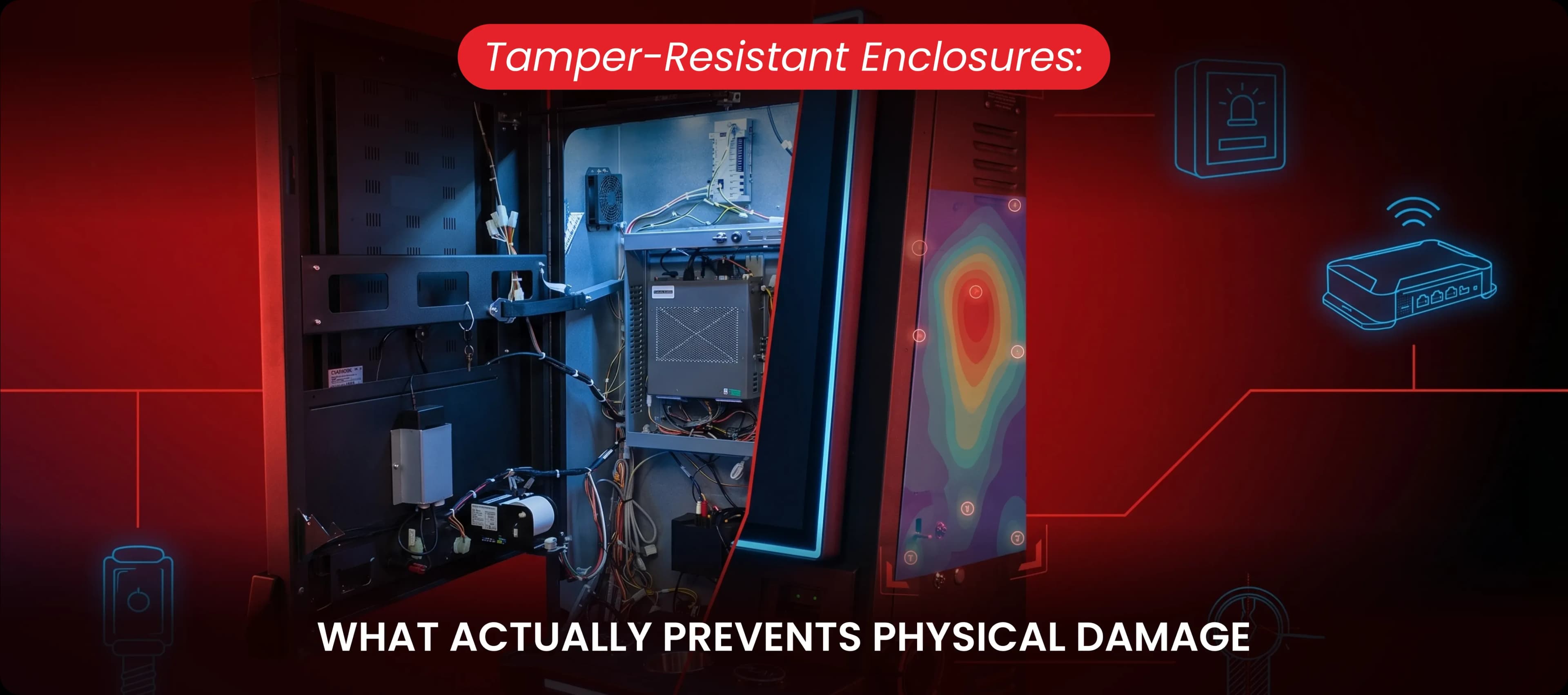
A 24-inch pry bar generates thousands of pounds of pressure. This isn't just about the lock snapping. The entire machine frame often bows and deforms under the load. In a reinforced gaming cabinet, that internal deflection can crush a flimsy alarm housing sitting right behind the door.
The enclosure itself needs to act as armor. It has to take the hit and keep the internal electronics isolated from the twisting metal of the cabinet. If the housing cracks, the siren stops. We moved away from standard plastics for this reason. We focused on high-impact materials that can absorb the energy of a tool strike without shattering.
Defending the "Brains" with Internal Reinforcement Plates
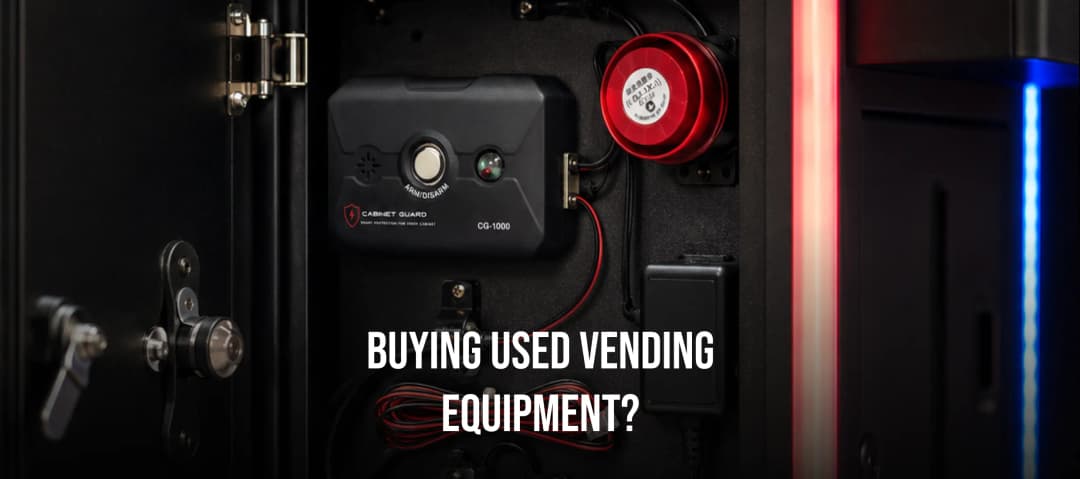
The logic board and the wiring terminals are the most vulnerable points. An effective vandal-proof enclosure design protects these "brains" from direct reach. The CG-1000 uses internal plates and a compact footprint to prevent access. Even if a thief gets a screwdriver through a narrow opening, they can’t get the leverage needed to rip the wires out. Just like this.
Defeating Common Lock Bypass Techniques
Locks are only as good as the metal surrounding them. We’ve seen many cases where the lock held, but the thief simply drilled a hole three inches to the left. They reach for the internal latch or the alarm wiring. This is where a drill-resistant alarm enclosure becomes your secondary shield.
An anti-vandal alarm box creates a "blind spot" for the intruder when it is mounted correctly. Even if they manage a lock bypass, they encounter a second, hardened layer. They usually aren't prepared for it. Most smash-and-grab artists want a quick score. If they hit a hardened polymer box after they think they’ve won, they usually bolt. The struggle takes too long.
Ruggedized Route Hardware: Built for the Field, Not the Lab
It isn't just about thieves. We call it the "Technician Factor." On a busy route, your machines are being serviced and moved constantly. We’ve seen technicians accidentally drop a heavy coin hopper right onto a security module. We've seen them catch a wiring harness with a heavy moving part.
Security Module Durability in High-Traffic Locations
A ruggedized route hardware solution has to survive the daily grind. This means the enclosure must handle high-vibration environments. Mounting tabs shouldn't snap off. In vending and arcade machines, constant humming and door slamming can fatigue cheap materials.
Investing in security module durability means you aren't replacing broken plastic brackets every six months. The system stays mounted and ready for years. When you use heavy-duty cabinet hardware, you’re buying reliability. That shows up in your bottom line through fewer service calls.
The Operator's Strategy: Placement and Physical Security
The best tamper-resistant enclosure won't help if it’s mounted in the path of a drill bit. We always recommend mounting the CG-1000 module away from the main door gap. You still want the strobe and siren to be effective, but you want the brain out of reach.
Combine physical enclosure strength with smart placement to create a deep defense. The goal is to make the "cost of entry" higher than the potential reward. When a thief sees a hardened, professional-grade box instead of a mess of wires, they know they’re dealing with a serious operator.
Protecting the Fleet
We are operators who got tired of seeing our gear destroyed. We tested 7 prototypes because the first 6 didn't survive the "pry bar test" in our shop. We wanted something that felt like a tool, not a toy. The CG-1000 is the "hardened heart" for your machines. When the door pops, the siren is the only thing the intruder hears.
If you are ready to stop the "reach and smash" from draining your route profits, look at the metal inside your cabinets. Learn more about the CG-1000's field-tested design here.