Bill Validator Damage: The Downtime Cost of a Forced Door
Jul 22, 2026
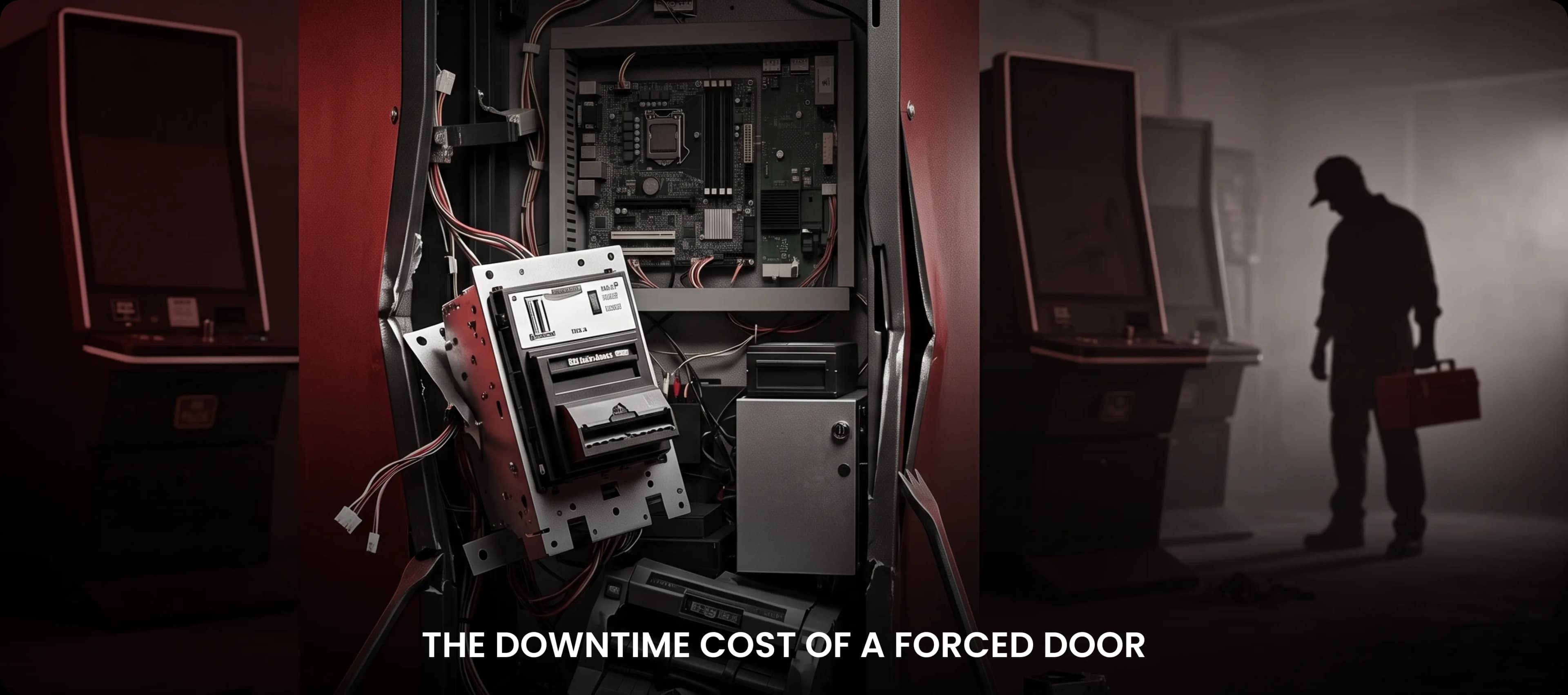
Every cabinet on a route has one component sitting right where a forced door does the most damage. The bill validator takes the brunt of it. It's rarely walked out of the cabinet intact. More often it's cracked in its mount, torn loose from the wire harness, or jammed hard enough that it has to come out anyway, this time for repair instead of collection.
TL;DR: Bill Validator Damage and What It Actually Costs a Route
- Two Losses, One Event: Forcing a cabinet door damages the bill validator directly, and the machine can't take cash again until it's replaced
- Fast Damage, Slow Fix: The mounting and harness give way in seconds; replacement takes days
- Not Just a Skill Game Problem: Vending machines carry the same exposed component in roughly the same spot
- The Numbers Add Up Past the Cash: Parts, dispatch, and days of downtime often outweigh whatever cash was actually taken
- What Changes the Math: A door-contact alarm interrupts the forced entry before the validator takes the damage
Why the Bill Validator Takes the Damage
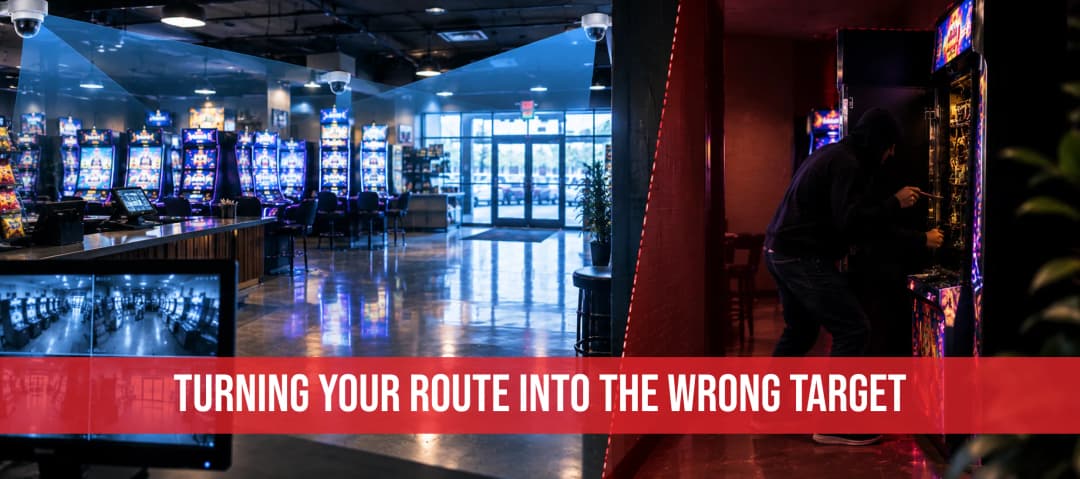
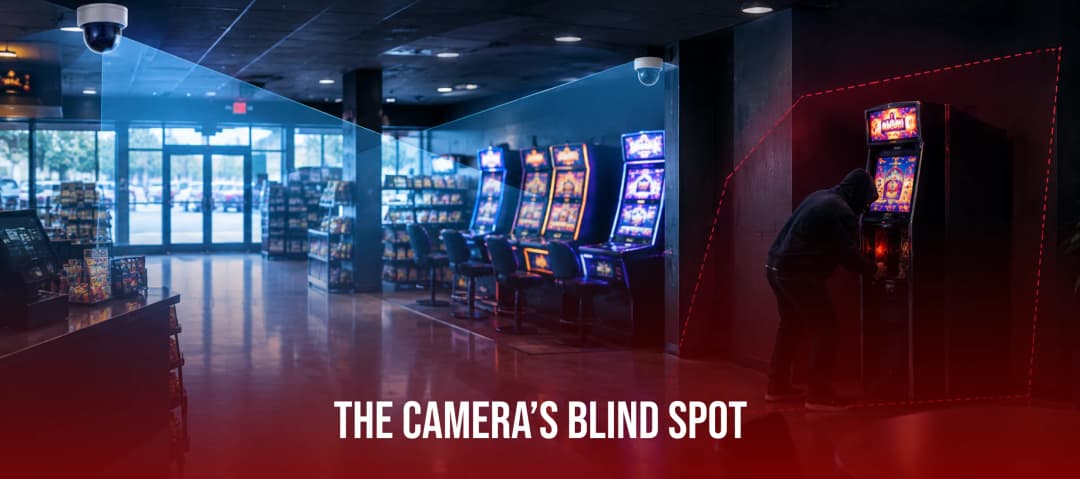
Most conversations about cabinet security treat the machine as one target. That's not quite right. Inside every skill game and vending unit, one component sits closest to the point of entry: the bill validator, with the cash stacker mounted right behind it. Everything else in the cabinet- the wiring, the display, the logic board- isn't in the path of a pry bar working the door.
One Component, Two Losses
It's not the cash sitting in the stacker that makes this expensive.
It's how fast the machine stops earning once the validator is wrecked.
A forced door puts real stress on whatever's mounted closest to it, and that's usually the bill validator. The bracket cracks. The wire harness gets yanked hard enough to pull loose from the connector. Sometimes the unit still looks intact but jams on the next bill fed through it. Cash sitting in the stacker at the time typically runs $2,000 or more, more on a machine that hasn't been serviced recently. What actually happens once a cabinet door gets forced covers the mounting stress a break-in puts on nearby hardware. This is about what that stress actually costs once the door's closed again.
Why It's the Part That Takes the Force
This isn't a smash-and-grab that only happens after closing. Many thefts happen even when you are present, even during broad daylight. Once a pry bar goes to work on the door, the frame flexes before the lock gives, and whatever's bolted closest to that flex point absorbs it. The bill validator sits right there. Cabinet damage from that stress often adds another $1,000 or more, depending on how hard the mounting bracket was pulled. Cash box security covers why cash concentrates in one predictable spot on every unit. The bill validator sits at that same spot, which is exactly why it takes the damage first.
What Happens to the Machine After the Validator Is Damaged
The forced entry itself is fast. What follows takes considerably longer.
Machine Downtime While a Part Gets Sourced
A cracked or jammed bill validator means the unit can't accept bills. On some cabinets, it can't accept play at all. That's machine downtime starting the moment the damage happens, not when someone finally notices. Unauthorized cabinet access already flags a busted validator as part of the damage bill on top of whatever cash was taken. What that framing tends to skip is the days the hardware sits dark afterward.
Why Replacement Isn't a Same-Day Fix
The thing is, most operators don't carry a spare validator for every cabinet type running on their route. Ordering the right model, waiting on parts lead time, and scheduling a technician stacks days on top of the break-in itself.
A part that isn't on the truck is a machine that isn't earning.
The Real Cost Breakdown: Parts, Dispatch, and Lost Revenue
The cash taken is the easiest number to focus on. It's rarely the largest one.
Repair Cost and Replacement Parts
Replacement parts for a damaged bill validator or acceptor typically run $400 to $2,000, depending on the model and cabinet type. That's before a technician even touches the machine.
Technician Dispatch and Service Delay
Getting someone out to install the new part runs a dispatch cost of $150 to $250 in most markets. Add the service delay of fitting that visit into an already-scheduled route, and several days pass before the part is even in hand, let alone installed.
Lost Revenue While the Machine Sits Empty
Downtime on a route machine runs 24 to 72-plus hours in a routine case, longer if the model has to be special-ordered. Stack the parts, the dispatch, the downtime, and whatever cash was taken on one incident, and a single successful machine break-in can cost operators $10,000+ when stolen cash, cabinet damage, downtime, and service response are combined.
The break-in itself isn't the expensive part.
It's everything that happens because the machine can't work until a part arrives.
Skill Game and Vending Machines Share the Same Exposure
This isn't a skill-game-only problem. Vending machines carry the same bill validator in roughly the same spot, exposed to the same forced-entry stress once the door gives.
Same Component, Same Vulnerable Spot, Different Cabinet
Vandalism and theft account for 12% of the incidents tracked in the vending machine market annually, a figure that includes exactly this kind of component-level damage alongside broader vandalism. On the skill game and amusement side, the real cost of a forced door tends to run past the cash total the same way it does on a vending route.
Route operators running both machine types often treat them as two separate security problems. The bill validator makes them the same problem sitting in two different cabinets.
What Changes When the Door Triggers Before the Validator Takes the Hit
None of this requires guessing at intent. A door that shouldn't be open, opening, is the only signal that actually matters.
Wiring to the Access Point Itself
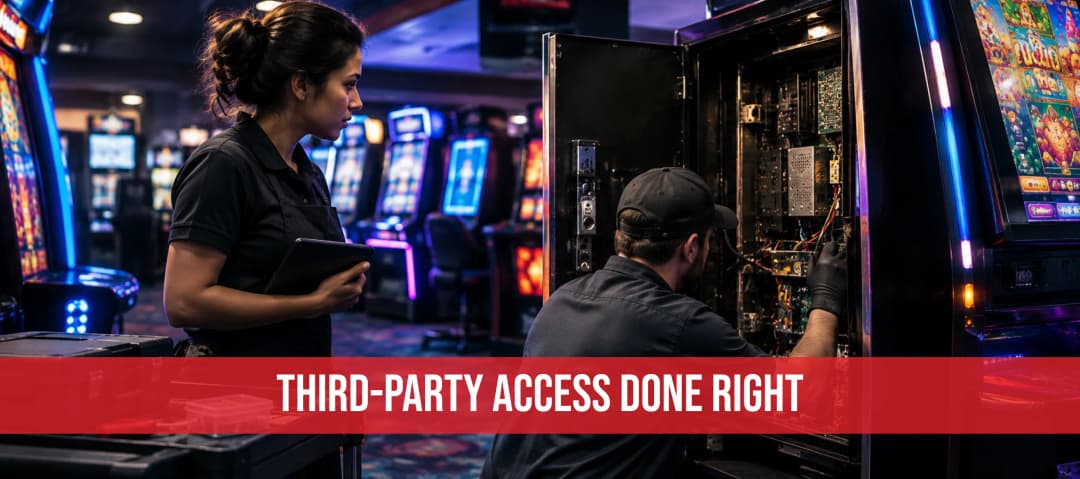
We wire the CG-1000 to the cabinet door through its SW-IN / SW-OUT interface. It uses spring-cage terminals that connect without specialty tools. It runs on 12–24V AC/DC from the machine's existing supply. Built-in rechargeable backup power keeps the system armed if primary power gets cut. Operators use a key fob to manage service access, so a technician replacing a validator during a scheduled visit doesn't trigger the alarm.
Stopping the Damage Before It Happens
Homes with security alarms are 60% less likely to be burglarized, and the same avoidance logic shows up around any cabinet a thief suspects is wired. A 100+ dB siren firing the moment the door opens gives someone working the frame a reason to leave before they've forced it far enough to reach the validator, not after.
Starting from that point makes sense for any route weighing coverage across mixed cabinet types. A door-contact alarm doesn't erase the cost breakdown above. It changes which side of it an operator ends up on: parts and downtime after a forced door, or an interrupted attempt before the validator ever takes the hit.
If you're weighing coverage across a mixed skill game and vending route, our contact page is a good place to walk through wiring and compatibility for your specific cabinet lineup.