Cabinet Locks vs Cabinet Alarms: What Actually Stops Tampering?
Mar 2, 2026
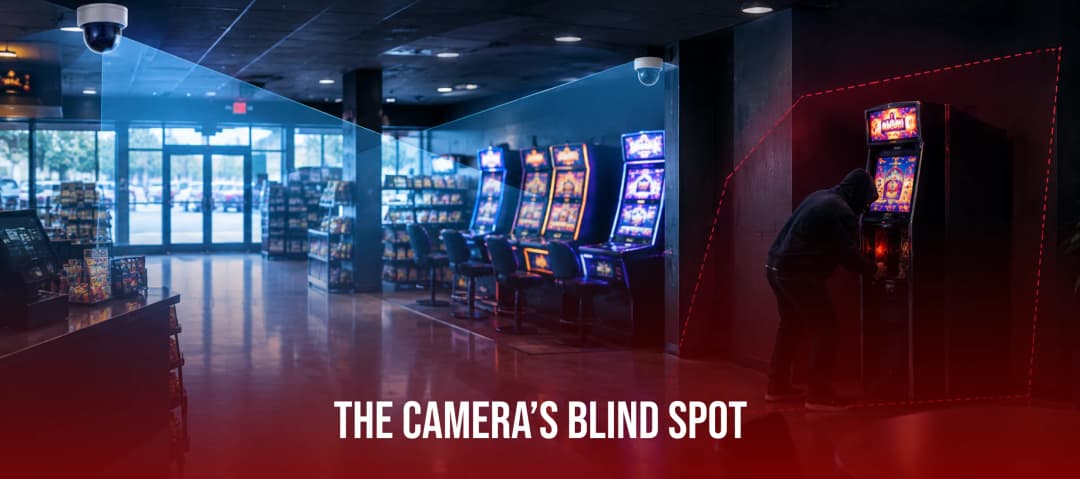
Unauthorized cabinet access remains one of the most common causes of revenue loss and operational disruption in commercial gaming environments. Operators often ask a critical question: Do cabinet locks provide enough protection, or do cabinet alarms offer stronger security?
Understanding the difference between passive and active protection helps B2B buyers and security professionals choose the right solution. When evaluating what actually stops tampering, the comparison between cabinet locks and cabinet alarms becomes clear.
The Role of Cabinet Locks in Equipment Security
For decades, businesses relied on cabinet locks as the primary method of securing equipment enclosures. Locks create a physical barrier designed to prevent unauthorized entry.
What Cabinet Locks Do Well:
- Restrict casual access
- Provide basic physical protection
- Offer low upfront cost
- Require minimal installation
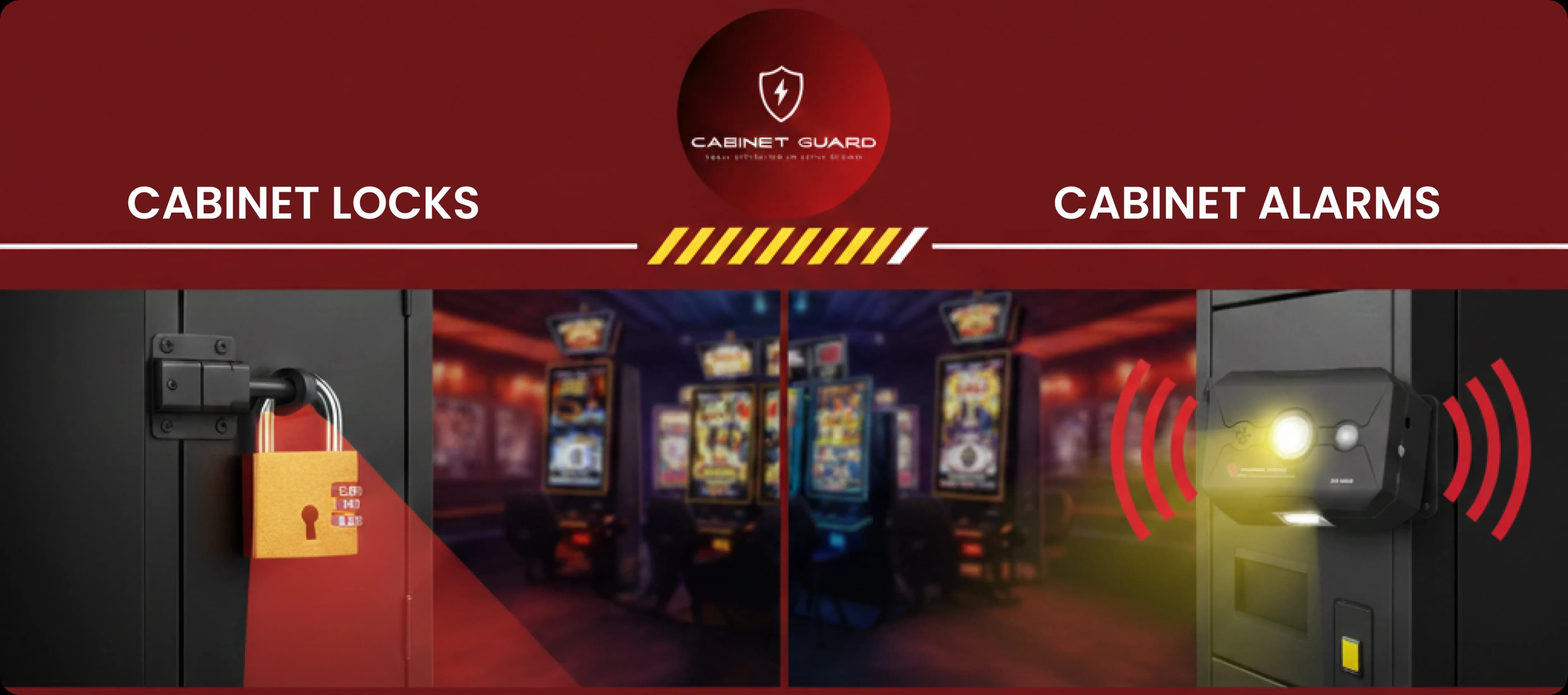
However, cabinet locks operate as passive security tools. They do not notify staff if someone attempts access. They do not deter tampering in real time. And they do not provide visibility into incidents.
In high‑traffic environments, passive protection creates risk exposure.
The Limitations of Cabinet Locks
Security professionals understand that locks only work when:
- Keys remain strictly controlled
- Locks remain undamaged
- No duplicate keys circulate
- No forced entry occurs
Once someone compromises a lock, operators often discover the issue only after damage happens. That delay increases downtime, revenue loss, and insurance concerns.
Passive protection reacts after the fact.
How Cabinet Alarms Change the Security Model
Cabinet alarms transform cabinet security from passive restriction to active deterrence. Instead of simply blocking access, alarms detect and respond immediately when unauthorized activity occurs.
Modern alarm security systems activate:
- Audible alerts
- Visual indicators
- Immediate tamper detection
A properly installed cabinet alarm for skill games creates real‑time accountability.
Why Active Deterrence Stops Tampering Faster
Tampering often stops when exposure becomes immediate. Cabinet alarms introduce:
- Instant noise
- Visible attention
- Immediate staff awareness
Unlike cabinet locks, which can be bypassed quietly, alarm security systems interrupt the act in progress.
This shift dramatically improves incident response speed.
Comparing Cabinet Locks vs Cabinet Alarms
For technical decision‑makers, this comparison highlights the difference between static security and responsive security.
The Advantage for Skill Gaming Operators
In high‑traffic gaming environments, cabinets house valuable components and revenue‑generating systems. A cabinet alarm for skill games strengthens protection by:
- Reducing unauthorized access attempts
- Supporting faster staff intervention
- Protecting equipment integrity
- Strengthening insurance positioning
For growing operators, combining cabinet locks with cabinet alarms creates layered protection but alarms provide the decisive advantage in stopping tampering.
When to Upgrade from Locks to Alarm Security Systems
Businesses should evaluate upgrading when they experience:
- Repeated tampering incidents
- Key control challenges
- Multi‑location growth
- Increased compliance requirements
- Insurance pressure for proactive security
Modern alarm security systems support standardized security policies and scalable protection across locations.
Conclusion: What Actually Stops Tampering?
Cabinet locks restrict access, but cabinet alarms actively stop tampering.
For B2B buyers, security professionals, and route operators, the decision is not about replacing locks entirely. It is about strengthening protection with real‑time deterrence. A modern cabinet alarm for skill games delivers immediate detection, faster response, and stronger operational resilience.
Ready to move beyond passive security? You can contact us to discuss your specific route needs or view our products to see the hardware designed specifically for high-traffic cabinet protection.