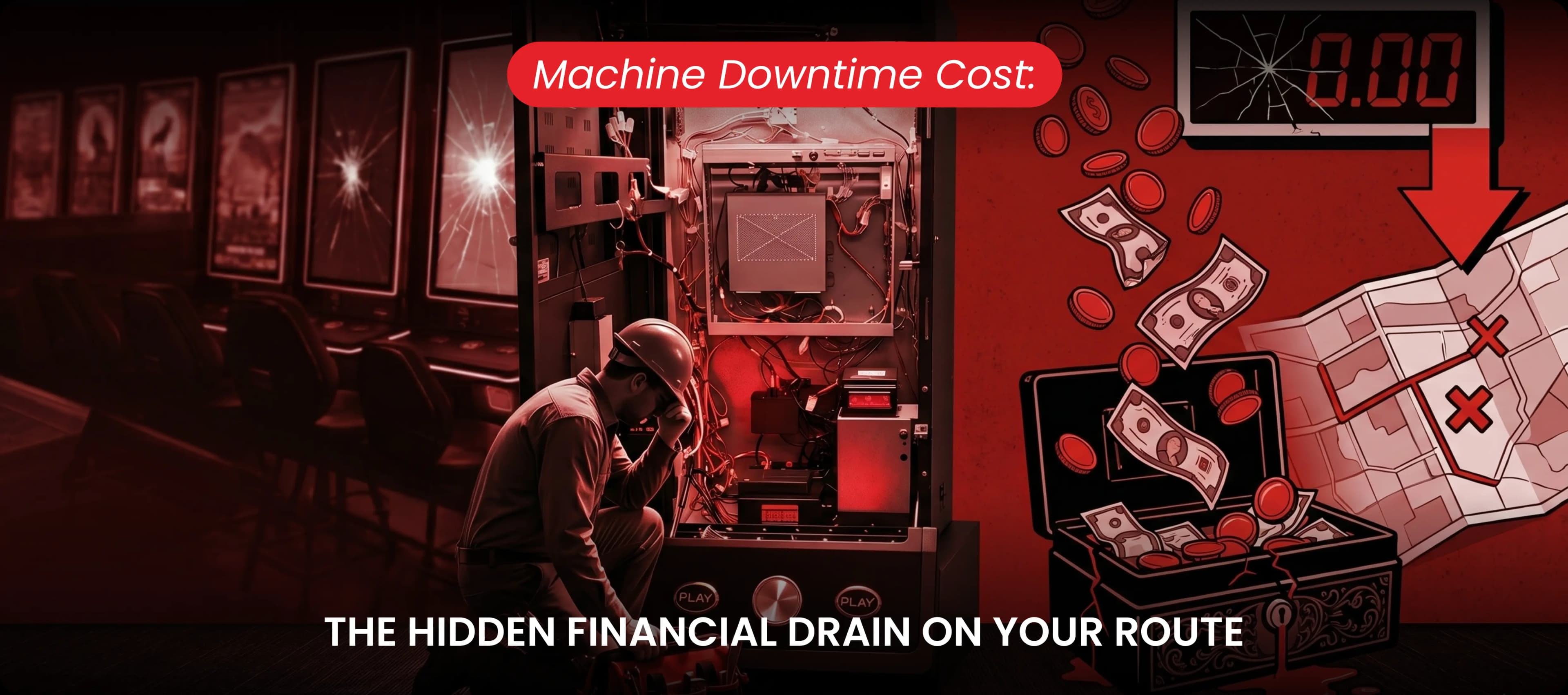
Machine Downtime Cost: The Hidden Financial Drain on Your Route
May 4, 2026
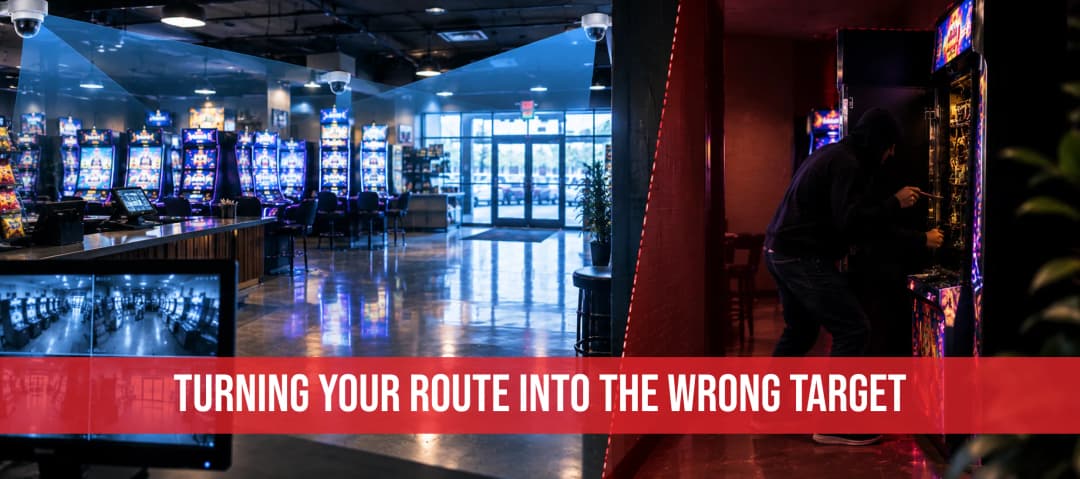
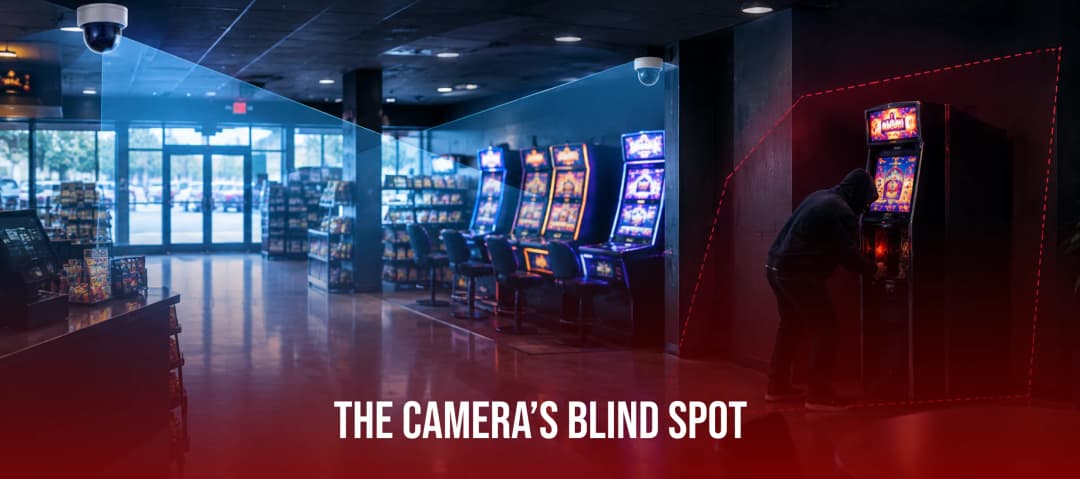
A technician pulls up for a routine Tuesday collection. He finds the bill validator bezel cracked. The cash box is empty. The machine was still "on" and the lights were humming. From across the room, it looked perfectly fine. But it hasn’t taken a single dollar since Saturday night.
That three-day gap is the "Discovery Delay." It's where the real profit bleed happens. Most operators calculate losses by looking at the missing cash and the cost of a new lock. That’s only the tip of the iceberg.
The true machine downtime cost is a compounding debt. It includes labor, logistics, and the erosion of your location’s trust. In this business, we often treat break-ins as a cost of doing business. We patch the hole and move on. But the numbers are staggering when you look at the spread.
A $50 theft can easily snowball into a $2,000 operational nightmare. You're losing more than just coins if you don't track the "tail" of the incident. You are losing the ability to scale your route.
TL;DR: Real-World Machine Downtime Cost
- Downtime Impact: Every hour a machine sits offline, your overhead is eating your profit.
- Labor Drain: Your technician's hourly rate becomes a sunk cost when they fix prying damage instead of doing preventative maintenance.
- Physical Fallout: Secondary damage to bill validators and logic boards often costs more than the cash stolen.
- Location Trust: "Out of Order" signs damage your reputation and lead to contract churn.
- Active Defense: A 100+ dB siren stops the hit before the door is fully pried. This keeps machine reliability high.
The Anatomy of an Incident: Why Most Operators Undercount Losses
When a machine is hit, the first thing an operator checks is the vault. That makes sense. It’s the immediate loss. But if that machine sits idle for three days, you’ve lost seventy-two hours of play. In a high-traffic bar, that window of lost revenue often exceeds the stolen cash.
This makes revenue recovery much harder. You are playing catch-up against your own fixed overhead. The "Discovery Delay" is the silent killer of route efficiency. Without an active deterrent, you are at the mercy of your next collection date.
If the thief was clean, you might not know you've been hit. You find out when you're staring at an empty stacker. That's a bad way to run a business.
The Discovery Delay and Revenue Recovery
The longer a machine stays down, the more the location owner gets frustrated. They don't care about your repair schedule. They care about the commission that isn't coming in. If a machine is offline during a holiday weekend, you aren't just losing money. You're losing the most profitable hours of your month. Revenue recovery isn't just about turning the machine back on. It is about the play you can never get back.
Physical Fallout and Secondary Damage
A thief with a pry bar doesn't care about your wiring harness. We've seen hundreds of cases where a small theft resulted in secondary damage. This includes the touchscreen, the coin mech, or the logic board. When a cabinet door is forced, the metal is often compromised. The door will never seat right again. This leads to future issues with machine reliability. Dust and debris find their way into sensitive electronics through the new gaps.
The Logistics Bleed: Truck Rolls and Technician Labor
This is where the math gets ugly for route businesses. If you dispatch a tech for emergency service calls, you’re already behind. You have to factor in the truck roll cost. This isn't just gas and tires.
It’s the cost of pulling that tech off their scheduled route. A tech stuck in traffic for two hours isn't doing preventative maintenance. They are just putting out fires.
Calculating the True Truck Roll Cost
A standard truck roll cost usually ranges between $150 and $250. This includes vehicle depreciation, fuel, and insurance. If your route spans three counties, that number goes up. When you add that to the machine downtime cost, you see the real problem.
Even a "failed" break-in where no cash was taken is a massive financial hit. You spent $200 just to see that your machine was tampered with. It’s a recurring tax on your operations. You can mitigate this with hardwired security that deters the thief before the damage is done.
Technician Hourly Rate and the Talent Gap
Good technicians are hard to find. If your best guys spend their entire week responding to emergency service calls, they will burn out. High technician hourly rate expenses are manageable when they generate revenue. They are a profit-killer when they are spent on repetitive repairs. This often happens because of a lack of operator-grade hardware.
Protecting Route Efficiency and Cash Flow Impact
Every incident creates a ripple effect in your books. Collection variance becomes a nightmare. You can't tell exactly when the theft happened. If your collection reports don't match your meter readings, you spend hours on paperwork. This profit bleed is often overlooked. The labor cost of office staff is just as real as the cost of a tech.
Managing Collection Variance and Inventory Shrinkage
Vending operators fight inventory shrinkage every day. But for gaming and ATM operators, that "inventory" is cash. Collection variance forces you to audit the machine and the technician. It creates a culture of suspicion. You can avoid this with a reliable tamper alarm. It ensures the door only opens for authorized service.
Sustaining Location Trust and Brand Reputation
Your machines are your brand. A machine with an "Out of Order" sign is a bad signal. It tells the owner that you aren't on top of your game. If the machine stays down, they start thinking about other vendors. Asset protection is about more than the metal cabinet. It is about protecting the contract. Secure machines build a cash flow impact that is stable.
Closing the Window: How Active Defense Secures Asset Protection
We spent years in the field dealing with these headaches. We tested seven prototypes before the CG-1000. We knew that false alarms cost you thousands in wasted labor. You need something that works every time. It shouldn't need a Wi-Fi connection or a cloud subscription.
The CG-1000 is a standalone alarm. It fits into the tight spaces of an ATM or a skill game. It uses plug-and-play installation with spring-cage terminals. Your techs can get it running in minutes. The 100+ dB siren creates an immediate deterrent. The goal is to make the intruder leave early. You want them out before they cause secondary damage.
Transitioning to Standalone Security
Wired security is the gold standard for a reason. You don't have to worry about battery life in the back of a dark bar. The CG-1000 runs on 12–24V AC/DC power. It taps directly into the machine's power supply. It’s a no-nonsense approach to asset protection. It respects the technician's time and the operator's wallet.
The Future of the Route: Hardening Your Fleet
You can’t be everywhere at once. You have to rely on your hardware to hold the line. When you invest in a universal cabinet alarm, you are buying route efficiency. You are choosing to stop the cycle of emergency repairs and lost play.
Every minute a machine is secure is a minute it's paying for itself. You can reduce the machine downtime cost and the frequency of emergency service calls. This frees up your capital and your labor. You can finally grow the route instead of just maintaining it.
The CG-1000 was built by operators who grew tired of the "Silent Hit." If you’re ready to close the discovery window and protect your margins from the high cost of downtime, it might be time to look at a field-tested, hardwired solution. No apps, no subscriptions, just a loud deterrent that works when you need it most.