Why Cabinet Security is a Maintenance Strategy, Not Just a Theft Deterrent
May 6, 2026
A technician spends three hours troubleshooting a bill validator in a skill game. The software says everything is fine. The connections look solid. But every ten minutes, the machine throws a "Stacker Error" and stops taking cash.
After pulling the door assembly apart, he finds the culprit. A pry attempt weeks ago bent the mounting bracket by just two millimeters. It is not enough to see from the outside. It is just enough to keep the validator from seating perfectly.
This is the hidden tax of the route business. Most operators look at a break-in and count the stolen cash. That is the wrong way to look at the books. The real cost is the "micro-damage" that creates a cycle of phantom service calls. When you choose to reduce maintenance costs, you have to start with how you defend the machine from these small, violent interactions.
TL;DR: How Proactive Security Works to Reduce Maintenance Costs
- Mechanical Preservation: Stopping the pry bar before it bends the frame or strikes the plate.
- Service Efficiency: Using a dedicated service mode to keep your vending machine maintenance schedule on time.
- Labor Savings: Eliminating the "no fault found" diagnostic trips that burn fuel and technician hours.
- Hardware Longevity: Protecting expensive internal components from the physical stress of "probing."
The Cost of "Soft Tampering" on Your Maintenance Budget
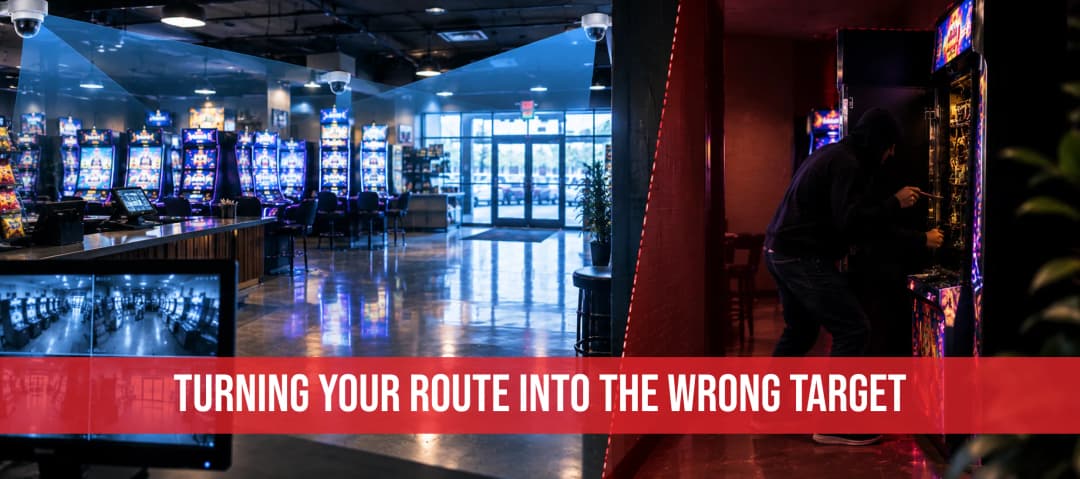
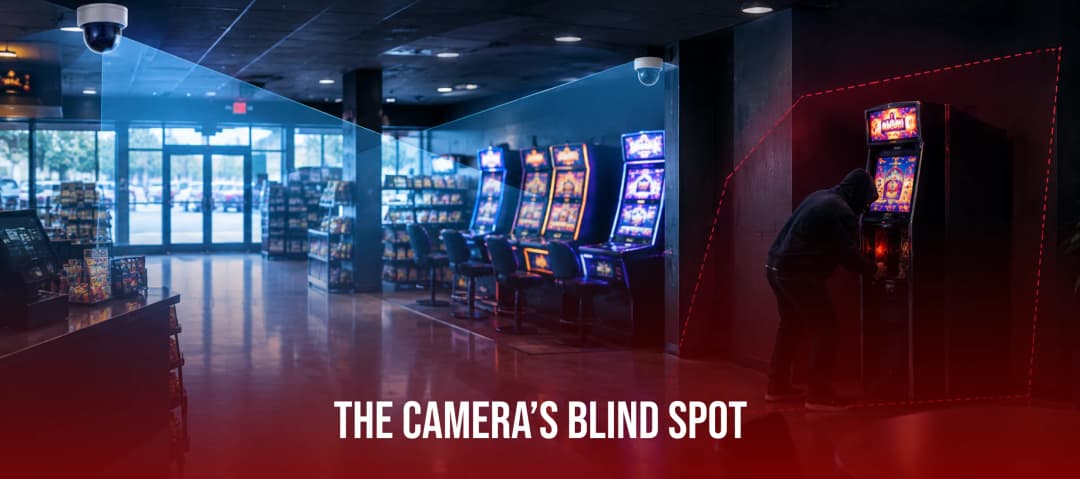
In the field, we talk about "the big hit" where the door is ripped off. But "soft tampering" happens far more often. This is when a vandal uses a screwdriver or a small bar to "probe" the door. They aren't trying to rip the machine open in ten seconds. They are testing the limits.
Preventing Structural Fatigue
The problem is that every probe puts stress on the metal. This leads to frequent door strike plate repair and hinge alignment issues. Once a cabinet frame is slightly out of square, your equipment reliability takes a dive. The door might lock, but the sensors will flicker. This triggers a service call.
Instant Deterrence vs. Gradual Damage
When you implement preventative security measures like a 100+ dB siren, you stop the probe instantly. The vandal doesn't get five minutes to work the metal. They get five seconds before the sound hits. This keeps the cabinet in factory condition. It prevents the structural fatigue that usually leads to a Machine Downtime Cost event.
Field Service Optimization: Stopping the "Ghost Call" Cycle
Every route has a "ghost" machine. It’s the one that seems to break every other Tuesday for no reason. Often, these machines are in high-traffic spots where people are constantly bumping or prying at them. If you rely on software alerts or low-quality sensors, your tech is stuck in a loop.
Managing Vibration Sensor Sensitivity
Field service optimization is about making sure your lead tech is doing revenue-generating work. They shouldn't be driving forty miles to reset a machine that someone bumped with a floor buffer. This is where vibration sensor sensitivity becomes a major issue. Cheap alarms trigger too easily. They cause alarm fatigue.
Improving Machine Health Monitoring
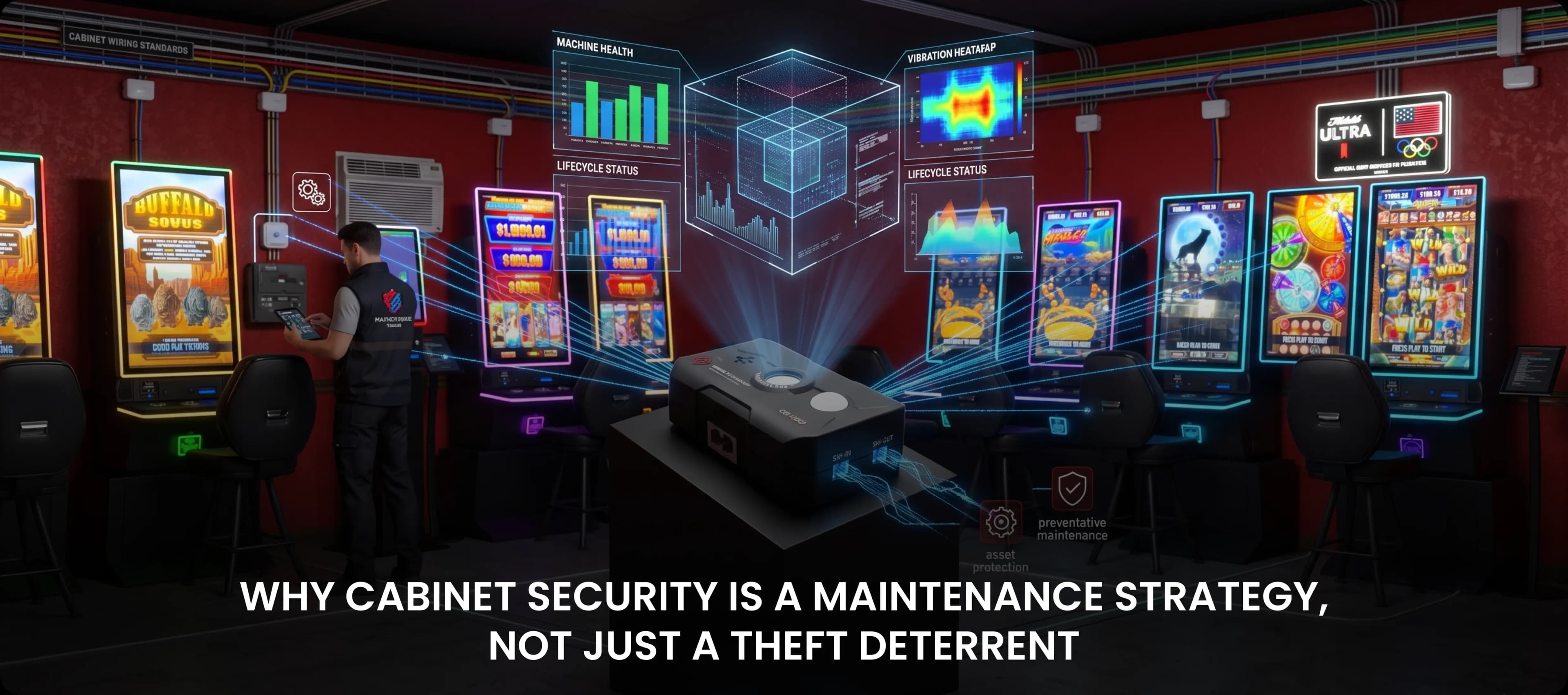
By using a hardwired security system, you get a definitive trigger. The alarm only fires when the door physically moves. This allows you to reduce emergency service calls. You can trust that if the alarm went off, someone actually touched the machine. This level of machine health monitoring lets you prioritize your route.
Protecting the Total Cost of Ownership and Asset Value
A machine is an investment that you eventually want to sell or trade-in. If the cabinet is scarred and the door doesn't close right, the long-term asset value drops by thousands. This is a critical part of equipment lifecycle management.
Maximizing Long-Term Asset Value
A well-designed cabinet alarm protects the skin of the machine. It is a core part of a smart asset protection strategy. When you calculate the total cost of ownership, you have to include the resale value. A machine protected by a low-voltage alarm system is a machine that stays in "like new" condition longer.
Think of security as a physical filter. It filters out the low-level vandalism that causes the machine to age prematurely. We have seen machines that lasted ten years on a route because they were never successfully pried. On the other hand, unprotected machines often need a full cabinet replacement in half that time.
Engineering Reliability: Low Voltage Alarm Systems and Wiring
How you install your security matters just as much as what you install. We have seen operators try to "tap" into a logic board to power a DIY alarm. This is a maintenance nightmare waiting to happen. A power surge can fry the entire machine.
Adhering to Cabinet Wiring Standards
Following professional cabinet wiring standards is the only way to ensure long-term stability. A dedicated low-voltage alarm system like the CG-1000 runs on 12–24V AC/DC. It is isolated from the sensitive game logic. This is why power stability is so important for route operators.
Using Industrial-Grade Terminals
Using spring-cage terminals ensures that connections don't vibrate loose over time. Screw terminals fail in the field. Spring-cage terminals don't. This small detail saves your technicians from having to re-strip wires every six months.
Standardizing the Technician SOP
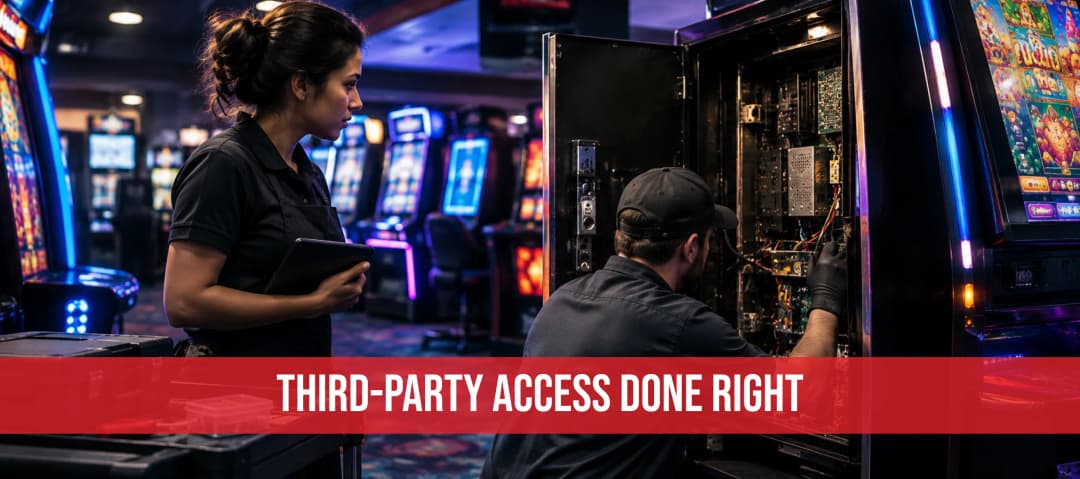
When your team follows a consistent SOP for installation, every machine on the route is identical. This makes the vending machine maintenance schedule predictable. A tech can walk up to any machine and know exactly how the security is wired.
The goal for any route owner is to keep the trucks in the shop and the games on the floor. When you invest in a reliable alarm system, you are buying peace of mind. But more importantly, you are protecting your margins. You are stopping the "small" repairs from eating your monthly profit.
Completing the Strategy with Battery Backup
By adding a battery backup to your setup, you ensure that even if a location loses power, your cabinet stays defended. It is a complete approach to route health. If you want to spend less time on emergency repairs and more time growing your route, it's time to rethink your cabinet defense.
Addressing the Cause, Not the Symptom
The thing is, most operators realize this too late. They wait for a bent door or a fried board before they act.
Making sense of your maintenance budget means looking at the causes, not just the symptoms. A loud, wired deterrent is the best maintenance tool you can put in a cabinet. Just like that.
Get a Solution Built for the Field
If you’re seeing your maintenance costs climb because of constant tampering attempts, you aren't alone. It’s a common field problem that we solved with the CG-1000. It is a universal, no-nonsense alarm that protects your hardware so you can keep your technicians focused on what matters. If you want to see how a standalone unit fits into your existing route, let's talk about hardening your fleet.