Cabinet Tamper Alarm Wiring: A Guide to Reducing False Alerts
Mar 20, 2026
Ask any lead technician about the worst part of their week, and it isn't the complex board repairs or the heavy lifting; it’s the "ghost in the machine." It’s the cabinet door alarm that keeps going off at 2:00 AM because of a loose screw terminal, or the fried security sensor caused by a simple polarity error during a rushed install. For route operators in states like Pennsylvania, Texas, and Georgia, these aren't just technical hiccups; they are significant profit leaks.
In the world of skill games and amusement routes, time is the only currency that matters. Every minute a tech spends troubleshooting a "DIY" security fix is a minute they aren't placing new equipment or collecting revenue. Standardizing your tamper alarm system isn't just about security; it’s about technician time management and operational efficiency tools.
TL;DR
- Standardize the Fleet: Using one universal hardware set across mixed-manufacturer routes eliminates tech guesswork.
- Kill the Callbacks: Vibration-proof terminals ensure connections stay "gas-tight" during transport and heavy play.
- Universal Power: Support for 12–24V AC/DC means no more carrying multiple power adapters or frying boards due to polarity errors.
- Hardwired Reliability: No batteries to change, no Wi-Fi to drop, and no "low signal" false alerts.
The Hidden Cost of "Good Enough" Cabinet Security
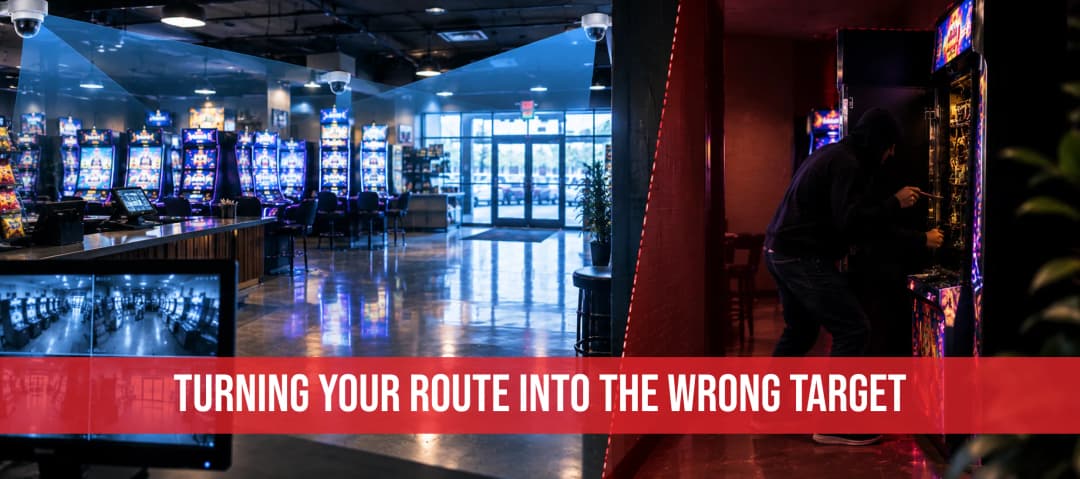
If you’re running a diverse route, your cabinets likely span decades of manufacturing. You have skill game cabinets sitting next to legacy arcade machines and modern strategy terminals. When you try to secure these with generic vending machine anti-theft devices or off-the-shelf sensors, you invite disaster.
Let’s look at a simple operator scenario:
- The Cost of a "Truck Roll": Between fuel, labor, and vehicle wear, a single service call can cost an operator anywhere from $150 to $300 before a tool even touches the machine.
- The Downtime Impact: If a machine is flagged for a "tamper detected" error and sits offline during a busy Friday night, you lose the collection, the location's trust, and potentially the contract.
The cost of machine downtime is almost always higher than the cost of the hardware meant to prevent it. A "cheap" alarm that triggers a false alert because of signal noise or poor cabinet door alignment is an expensive liability.
12-24V AC/DC: The End of the Polarity Guessing Game
One of the most common ways to blow a board or fry a sensor is reverse polarity. On a dimly lit bar floor, even the best techs can swap a red and black wire. The Cabinet Guard CG-1000 was built by operators who have been there.
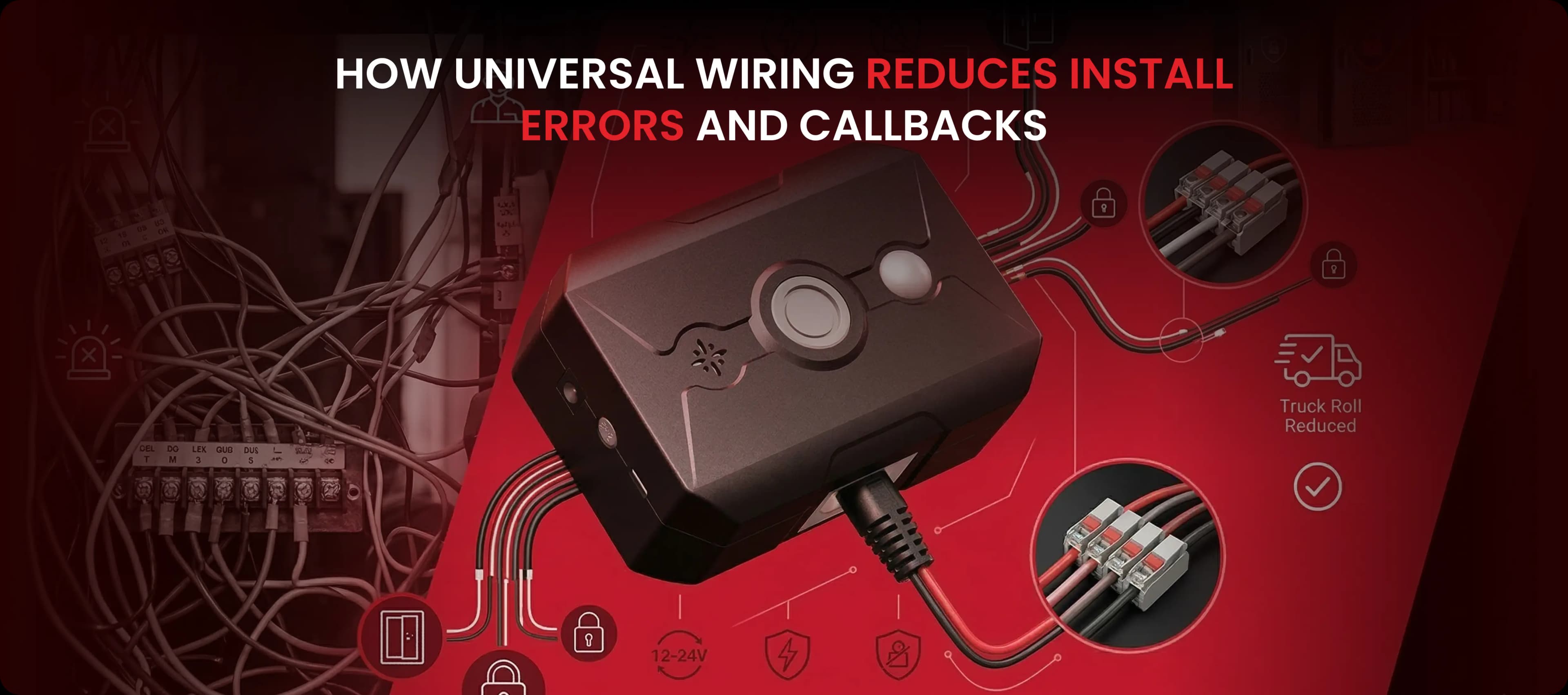
By providing 12-24V AC/DC universal power support with built-in reverse polarity protection and voltage spike protection, the CG-1000 becomes a "plug-and-play" asset. Whether you are tapping into a 12V DC line on a modern PC-based skill game or a 24V AC transformer on an older amusement cabinet, the hardware handles the heavy lifting. This universality is the core of fleet standardization. You no longer need to stock five different types of alarms for five different machine voltages.
Beyond Screw Terminals: Why Spring-Cage Technology Wins
In the amusement world, vibration is the enemy. Whether it’s the constant thumping of a nearby jukebox or the physical movement of a machine during intense play, traditional screw terminals eventually back out. A loose wire leads to nuisance alarms and a "tamper alarm keeps going off" call from a frustrated location owner.
The CG-1000 utilizes spring cage terminals (SW-IN / SW-OUT):
- Tool-less Reliability: No more stripping tiny screws or over-tightening until they snap.
- Vibration Proof: The spring tension provides a constant, gas-tight connection that never backs out, regardless of cabinet movement.
- Speed: Techs can shave 10–15 minutes off every install, which adds up quickly across a 50-machine route.
By moving away from terminal strip wiring and moving toward high-grade, snap-in connections, you significantly improve uptime and reduce the likelihood of a callback due to cable strain or vibration.
False Alarm Reduction Through Physical Reliability
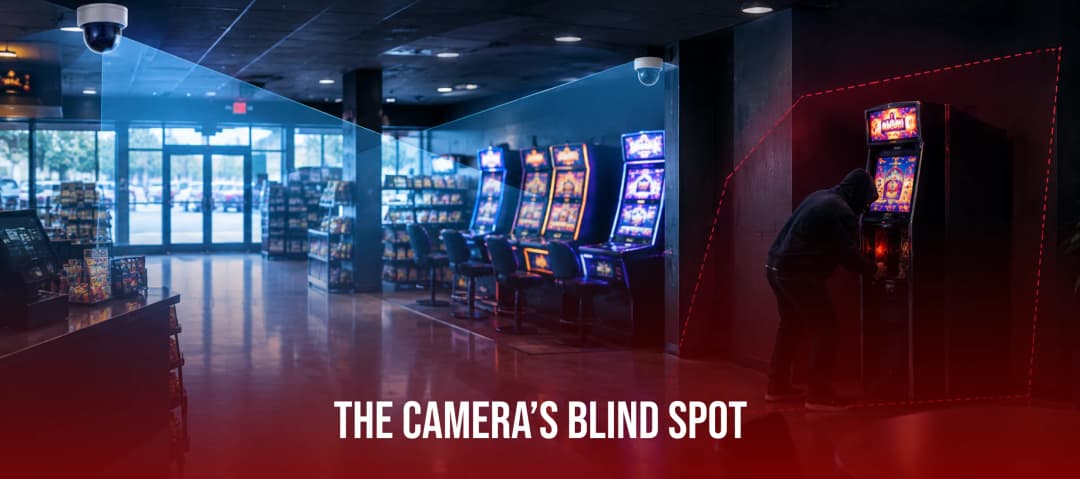
There is a psychological cost to false alarm prevention. When a tamper alarm triggers falsely, location owners begin to ignore it. Eventually, they’ll ask the tech to "just bypass it," which leaves your cash box security completely exposed to internal theft and external break-ins.
The CG-1000 was designed after 7 prototypes and 12 years of field testing to address this. The tamper-resistant enclosure protects the heart of the system from accidental bumps or curious fingers, while the 100dB siren and visual alarm alert (LED strobe) provide an immediate, unambiguous deterrent.
By using a hardwired alarm system rather than a wireless or IoT-based solution, you eliminate cloud security risks, wifi jamming, and the "low battery" chirps that plague wireless sensors. It is a no-nonsense security solution that does exactly what it's supposed to: protect the asset.
Standardizing Your Route for Long-Term Profitability
Successful route management is about operational risk mitigation. You want to know that when a machine is placed, it is secure and it will stay secure without human intervention. Standardizing on the CG-1000 allows for:
- Predictable Installs: Every tech knows exactly how to wire every machine, regardless of the brand.
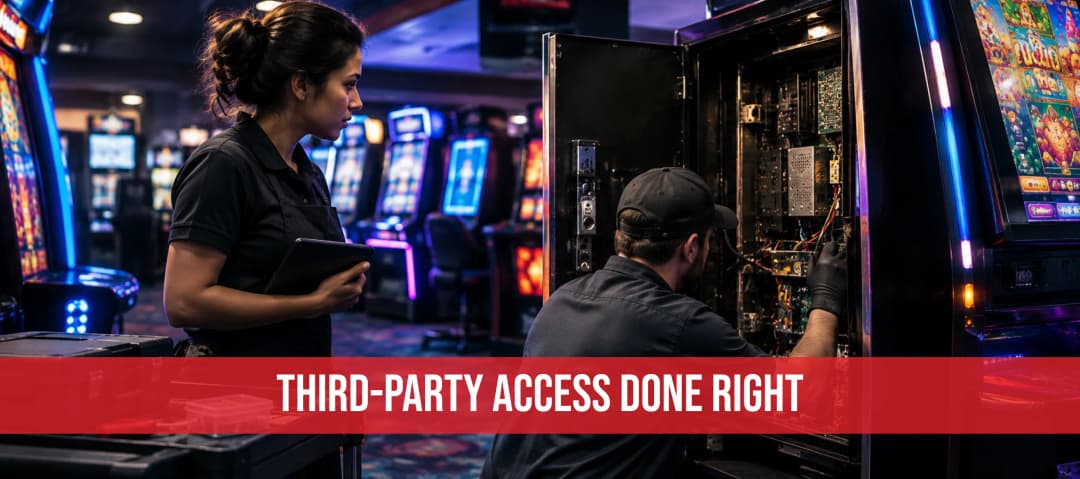
- Unified Access: Using iButton access control instead of a mess of physical keys.
- Reduced Maintenance Costs: Fewer "truck rolls" for wiring issues means more profit per machine.
Protecting your skill game cabinets and arcade security isn't just about stopping a pry bar; it's about building a physical security infrastructure that supports your bottom line.