
Why Standardization is the Secret to Route Profitability
Mar 18, 2026
For any operator in the skill gaming or amusement industry, growth is the goal. But as a route expands across Texas, Pennsylvania, or Virginia, a hidden cost begins to eat at the margins: the "Mixed-Fleet Tax." This isn't a government levy; it’s the operational friction caused by managing a diverse collection of skill game cabinets, vertical machines, and custom builds, each with its own quirks and security vulnerabilities.
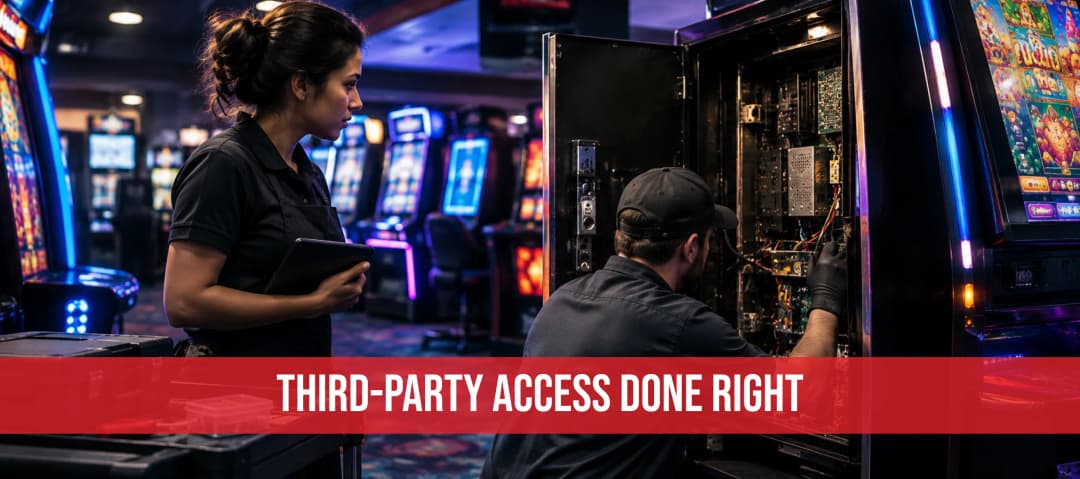
When your route consists of different brands like Banilla, Pace, or custom metal enclosures, your technician's time management becomes a nightmare. Every machine requires different amusement machine parts, unique tamper switch wiring, and varying levels of physical security infrastructure. To scale effectively in 2026, operators must move toward fleet standardization.
TL;DR: Key Takeaways
- Reduce Truck Rolls: Standardizing hardware means technicians carry fewer parts and resolve calls faster.
- Universal Compatibility: The CG-1000 works with 12-24V AC/DC systems, fitting both old wooden and new metal cabinets.
- Stop Tampering: High-decibel 100dB sirens and tamper-resistant enclosures provide a level of protection that locks can't match.
- Operational Efficiency: Simplified spring cage terminals and iButton access control eliminate the "Frankenstein" security approach.
The Hidden Costs of a Diverse Game Route
Operating a "Frankenstein" route, where every machine has a different DIY security "fix"—leads to three primary drains on your bottom line:
1. Technician Training Fatigue
If a field tech has to remember five different ways to bypass an alarm for a service call, they will eventually make a mistake. Complexity leads to nuisance alarms and emergency service calls that could have been avoided. Standardizing on one system means one training session for the whole crew.
2. The Inventory Nightmare
Stocking arcade repair parts for a dozen different alarm types is a capital sink. By utilizing universal spare parts and a brand-agnostic alarm like the Cabinet Guard CG-1000, you slim down the "parts bin" on the truck, ensuring the tech always has what they need to fix a cabinet tamper alarm on the first visit. This directly contributes to a positive route profitability analysis.
3. The "Weakest Link" Vulnerability
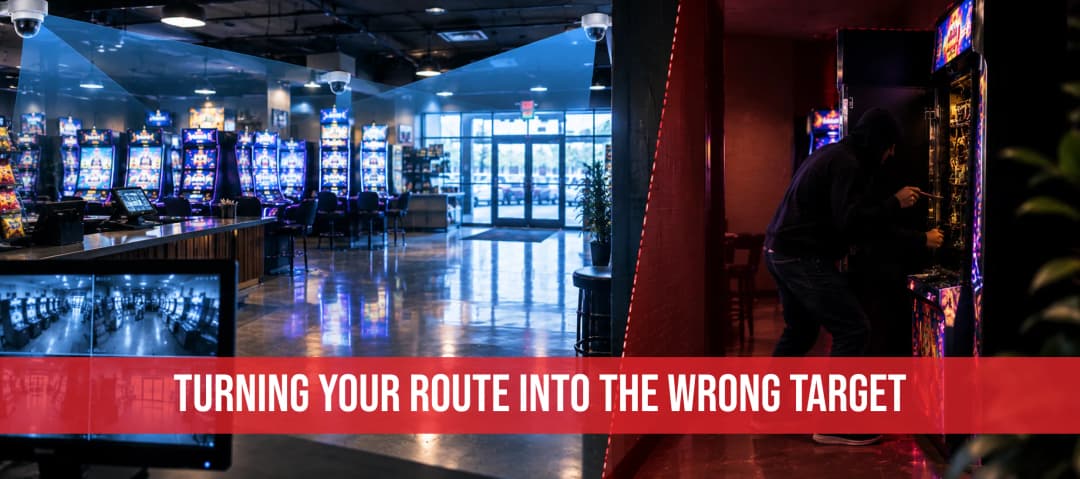
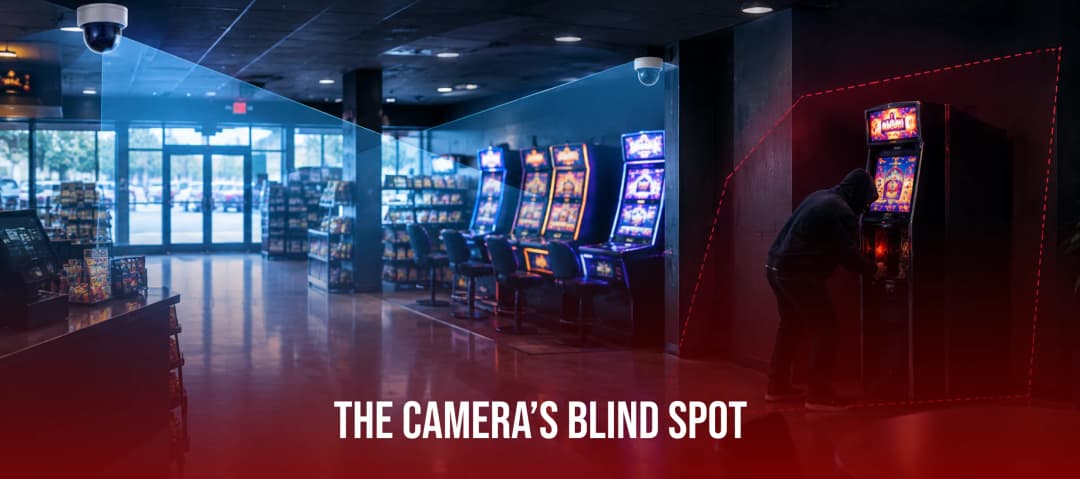
Thieves are professional shoppers. They scout routes for the machine with the flimsy cabinet door hinge or the outdated cabinet security lock. If your security isn’t consistent across the fleet, you aren't protecting your route, you're just directing criminals to your oldest, most vulnerable cabinets. Integrating a consistent loss prevention system is non-negotiable for asset protection.
Beyond the Lock: Why Hardware Consistency Matters
Many operators rely solely on a heavy-duty cabinet and a high-security lock. However, cabinet locks vs. cabinet alarms reveal a hard truth: machine tampering often involves shimming or prying—methods that bypass the lock entirely to reach the cash box security.
In the debate of wired vs. wireless alarm systems, the field reality is clear: wireless sensors in a metal-heavy, high-interference retail environment lead to dropped signals and dead batteries. A hardwired alarm system is the only way to guarantee a 100dB siren triggers every single time a door is pried.
The CG-1000 was designed with this reality in mind. With its tamper-resistant enclosure and 12–24V AC/DC auto-switching power support, it integrates into any cabinet’s existing power supply 12V or 24V bus without requiring complex converters. This reliability in high-traffic locations is what keeps a route profitable.
Solving the "Frankenstein" Security Problem with CG-1000
The CG-1000 acts as a theft deterrent system that bridges the gap between different machine types. Key features that drive operational efficiency include:
- Spring Cage Terminals: Forget the soldering iron. These allow for quick-connect wiring that stays secure even under the vibration of a busy game room floor, significantly reducing the cost of machine downtime.
- iButton Access Control: Traditional master key systems are a liability—if one is lost, your whole route is compromised. The CG-1000 uses iButton technology for machine access control, allowing operators to grant or revoke access digitally without swapping physical locks.
- Visual Alarm Alert: An external LED alarm indicator provides a psychological deterrent, telling potential vandals that the machine is protected by an active defense before they even touch the door.
For those just starting to scale, choosing scalable protection is the difference between a controlled expansion and a logistical disaster.
Operational Impact: Reducing Truck Rolls and False Alarms
A major driver of route cost analysis is the "truck roll", the expense of sending a tech to a location. False alarm reduction is critical here. Why DIY cabinet alarms fail usually comes down to sensors that trigger nuisance alarms due to floor vibrations or power fluctuations.
The CG-1000 utilizes voltage spike protection and signal noise reduction to ensure that when that 100-decibel alarm sounds, it’s for a real event. By improving equipment reliability, you can lower maintenance costs and focus your team on revenue-generating tasks rather than chasing ghost triggers.
Future-Proofing Your Expansion
As you look at skill game Virginia markets or expansion in Texas, your physical security infrastructure should be the easiest part of your deployment. Whether you are adding vending machine security or new multi-game cabinets, having a no-nonsense security standard ensures your route is prepared for the long haul.
Standardization is the only way to achieve operational risk mitigation while maintaining high route profitability. Don't let a mixed fleet lead to mixed results. Solving cabinet tampering starts with a single, universal standard.