Why iButton Access Control is the Gold Standard for ATM and Gaming Cabinets
Apr 24, 2026
You’ve seen the scene before. A technician leaves your route on bad terms. Two weeks later, you walk into a location in Pennsylvania or Virginia to find a machine’s cash box empty. There are no pry marks. The lock isn't drilled. The machine was simply opened with a key.
No struggle. No damage. Just a clean sweep. This is the $5,000 phone call every operator dreads.
It happens because traditional brass keys are a liability, not a security feature. When you rely on metal teeth, you aren't just trusting your staff; you’re trusting every locksmith and key-cutting kiosk in the state.
The Quick Take: How iButton Access Control Stops the Bleed
- Uncopyable Keys: Unlike brass, a touch memory key cannot be duplicated at a hardware store or automated kiosk.
- Master Key Security: Provides a single, rugged credential for multiple machines without the risk of "skeleton key" theft.
- Secure Cash Handling: Ensures only authorized personnel can open the cabinet, creating a digital-physical barrier that stops the bleed.
- Standalone Access Control: Works 100% offline, ensuring no Wi-Fi outages or dead zones in basement locations, lock you out of your machine.
The Vulnerability of the Brass Key Ring
The "Master Key" is an operator’s best friend until it becomes a nightmare. The thing is, we all want the convenience. But that convenience is exactly what the wrong person is looking for.
If you lose one master key, you are looking at re-keying an entire route of fifty machines. The labor and hardware costs alone are staggering. But the real threat is more subtle.
The Problem with Cheap Key Blanks
Traditional cabinet locks are essentially a suggestion. A determined person with a $5 key blank and five minutes at a hardware store can create a copy of your security.
Internal threats are often the most expensive. When "unauthorized" collections happen, there is no broken glass to alert you. You only notice it when the count is low, and by then, the money is long gone.
Relying on physical metal teeth means you have zero control over who has access once a key leaves your sight. It is one of the most critical mistakes to avoid if you want to protect your revenue.
What Is iButton Access Control and Why Does It Matter?
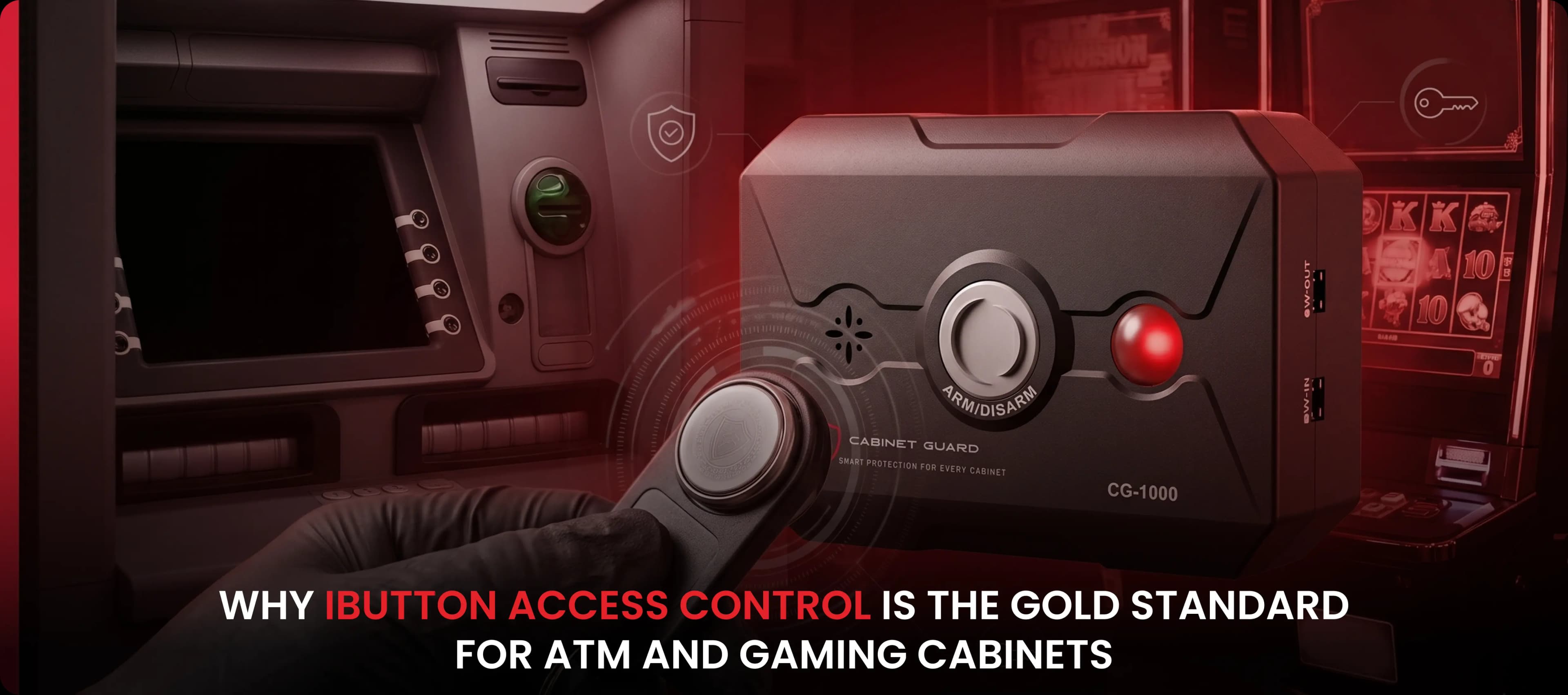
At its core, an iButton is a computer chip housed in a 16mm thick stainless steel can. Think of it as a digital fingerprint inside a metal key fob. When you press this fob against an ibutton reader, the system identifies a unique serial number that is hard-coded into the chip.
The Anatomy of a Metal Key Fob
It’s simple. It’s rugged. It isn't a tracker.
There is no battery to die and no cloud connection to fail. The beauty of this tech is the simplicity. It is a sophisticated data carrier that identifies the user instantly.
How the iButton Reader Prevents Human Error
The system validates the ID in milliseconds. There is no fumbling with a lock that’s been jammed with a paperclip or gum. This is the "Physical-Digital" advantage.
You get the ruggedness of a physical key that can survive being run over by a truck, combined with the intelligence of a computer. It is the gold standard for operator-grade hardware because it doesn't fail when things get messy in the field.
Common iButton Uses in Skill Games and ATMs
In the skill game world, specifically in markets like Pennsylvania, high-security cabinet locks are becoming a requirement for survival. Operators use iButton keys to manage massive routes without carrying five pounds of brass.
Managing Multiple Sites with One Key
You can program one iButton key fob to work across your entire route, or restrict specific keys to specific regions. It keeps the keychain light and the security tight. Actually, it’s a relief for the techs. They’ll actually use it because it’s faster than wrestling with a traditional lock.
Service vs. Collection Access
You can give a technician a key that allows them to perform maintenance without granting them access to the cash box. This separation of duties is essential for machine integrity. By preventing internal access risks, you ensure that your staff can do their jobs without being tempted by a drawer full of cash.
Stopping the Bleed: Secure Cash Handling and Machine Integrity
Cash box security is about more than just a strong door. It is about an audit trail. While the iButton itself is a physical device, the way it interacts with a system like the CG-1000 creates a moment of accountability. To stop losing money, you have to close the "access window."
If an unauthorized person tries to force entry or uses a "bump key" on a mechanical lock, the CG-1000 triggers a 100dB siren and a high-intensity strobe. This immediate response is vital for preventing unauthorized access because it turns a silent theft into a loud, public event. The iButton acts as the "quiet" pass. It tells the alarm system, "I'm supposed to be here," allowing for a silent entry during service mode.
Why Standalone Access Control Wins in the Field
The thing is, "smart" tech often isn't very smart when it's in the basement of a rural bar. Cloud-based locks and mobile apps fall apart the moment the Wi-Fi signal drops or the cell tower is too far away.
Standalone access control doesn't care about the internet. It works in a dead zone just as well as it works in a city center.
Hardwired reliability is king. The CG-1000 runs on 12–24V AC/DC power, which is significantly more reliable than consumer-grade smart locks that rely on AA batteries. Everything is protected inside a tamper-resistant enclosure, meaning even if a thief gets the door open, they can't easily disable the "brain" of the system. This level of hardening is how you reduce emergency service calls caused by failed DIY security fixes.
Best Practices for Managing Your iButton Keys
Managing a route requires a system. Effective simple access control starts with your key distribution. You need a process that doesn't slow down the route but keeps the revenue safe.
Smarter Key Chain Management
Keep a log of every iButton use and which technician holds which serial number. If a staff member leaves the company. You just delete their digital ID from the authorized list. Problem solved. No locksmith fees. No re-keying fifty doors.
Eliminating the "Broken Key in Lock" Headache
Because these keys are stainless steel, they won't snap off in the lock like brass keys often do. That specific operational headache, and the locksmith fee that follows, simply disappear.
The CG-1000 Approach: Field-Tested Hardware
The CG-1000 wasn't designed in a lab; it was built by operators who were tired of getting cleaned out. We chose iButton technology over RFID or Bluetooth because it is virtually indestructible and impossible to clone. It provides the smart alerts and local deterrents that route-based businesses actually need.
Installation is straightforward thanks to the spring cage terminals. You don't need a degree in electrical engineering to secure your route. By integrating the battery backup alarm, you ensure that even if a thief cuts the power to the machine, the siren still screams and the strobe still flashes. It is a no-nonsense approach to securing your machines.