Beyond the Spec Sheet: A Guide to Operator-Grade Hardware
Mar 31, 2026
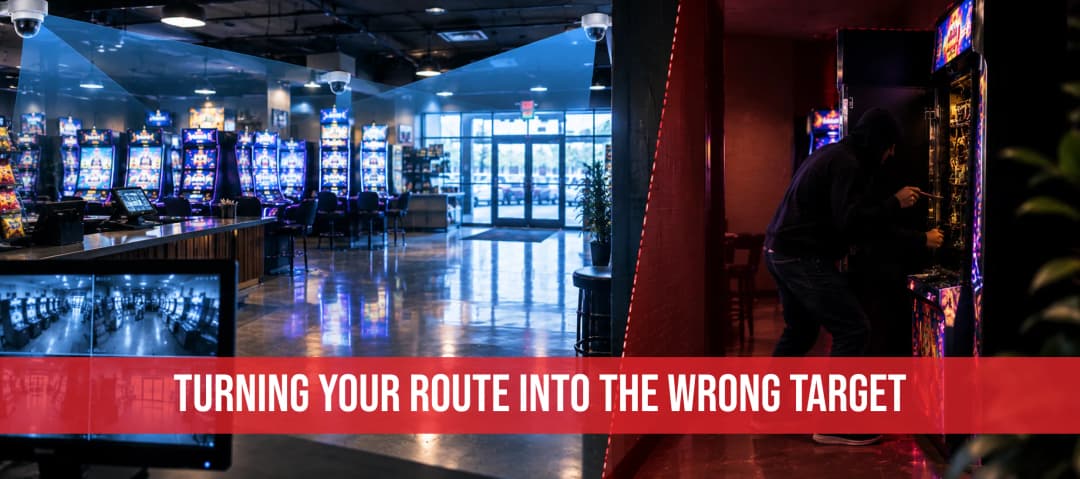
For a new operator entering the amusement or skill game space, the equipment list feels endless. You focus on the earnings, the locations, and the game titles. But seasoned veterans know that your route is only as profitable as it is secure. In markets like Texas, Pennsylvania, and Georgia, "security" isn't a buzzword; it’s the difference between a successful collection and a service call cost that wipes out your weekly margin.
Experienced operators don't evaluate hardware based on flashy apps or cloud features. They evaluate it based on what happens when the lights go out, and a pry bar comes out. If you are looking to scale your route, here is the "insider" framework for choosing a vending machine alarm system and cabinet security that actually works.
TL;DR: The Operator's Security Checklist
- Hardwired Reliability: Avoid wireless sensors that fail due to signal interference in metal cabinets.
- Power Flexibility: Look for 12–24V AC/DC support to pull power directly from any machine.
- True Deterrence: A high-decibel alarm (100+ dB) is the only thing that stops a thief in their tracks.
- Accountability: Use ibutton access control to track exactly who opened the machine and when.
- Installation Speed: Spring cage terminals save hours of technician time and prevent loose wiring.
- Redundancy: A battery backup alarm ensures protection even if the main power is cut.
1. The Power Reality: 12–24V AC/DC Versatility
New operators often make the mistake of buying 12V-only components. In the field, power isn't always clean or consistent. A real vending machine alarm needs to be "power agnostic."
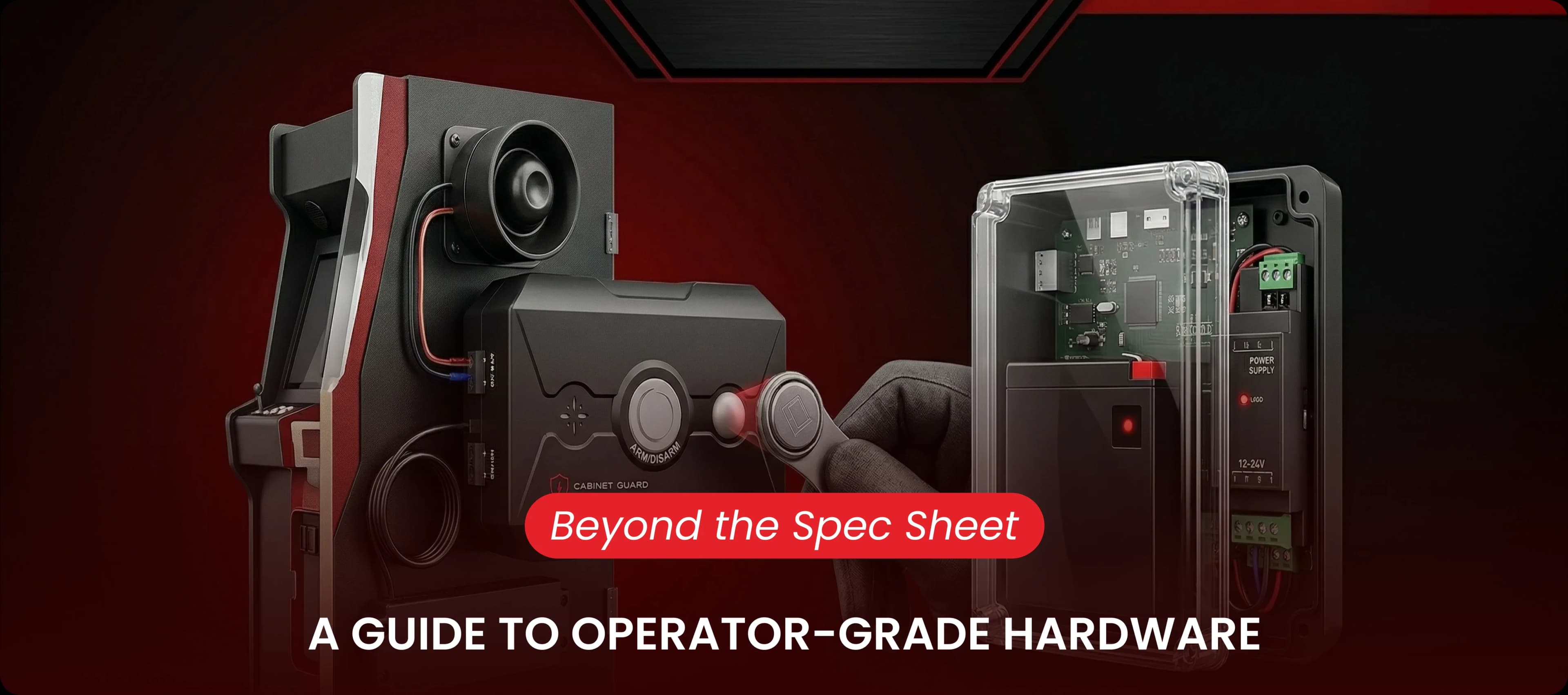
Whether you are tapping into a skill game's power supply or an older amusement cabinet, hardware like the Cabinet Guard CG-1000 is designed for 12–24V AC/DC environments. This flexibility eliminates the need for extra transformers and reduces machine tampering risks associated with messy, makeshift wiring.
2. Physical Accountability with iButton Access Control
Keys can be copied. Passcodes can be shared. For a growing route, ibutton access control (often called a key reader) is the professional standard for cabinet access control.
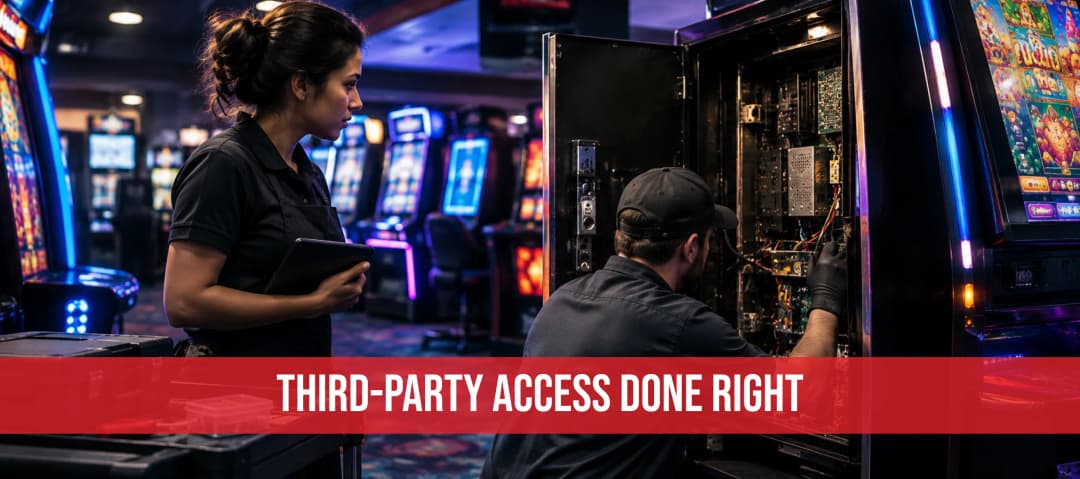
When evaluating hardware, ask: How does my technician disarm the system? If it’s a hidden toggle switch, a thief will find it. A physical iButton provides a "Service Mode" that is rugged, uncopyable, and provides a clear audit trail. This is how you reduce operational friction while maintaining a secure cash collection process.
3. The "Noise Floor" and Real-World Deterrence
A silent alert to your phone is useless if you are twenty minutes away. By the time you check the notification, the cash box is gone. Real-world vending machine theft prevention relies on immediate, local deterrence.
Operators look for a high-decibel alarm. We are talking about a 100+ dB siren, loud enough to cause physical discomfort and draw immediate attention from everyone in the establishment. This is the core of an effective theft deterrent system; it forces the intruder to leave immediately, minimizing vandalism repair cost.
4. Avoiding the Wireless Trap
The temptation to use "smart" IoT sensors is high for new operators. However, putting a wireless sensor inside a thick steel gaming cabinet creates a Faraday cage. Signals drop, batteries die, and Wi-Fi jammers are now common tools for sophisticated thieves.
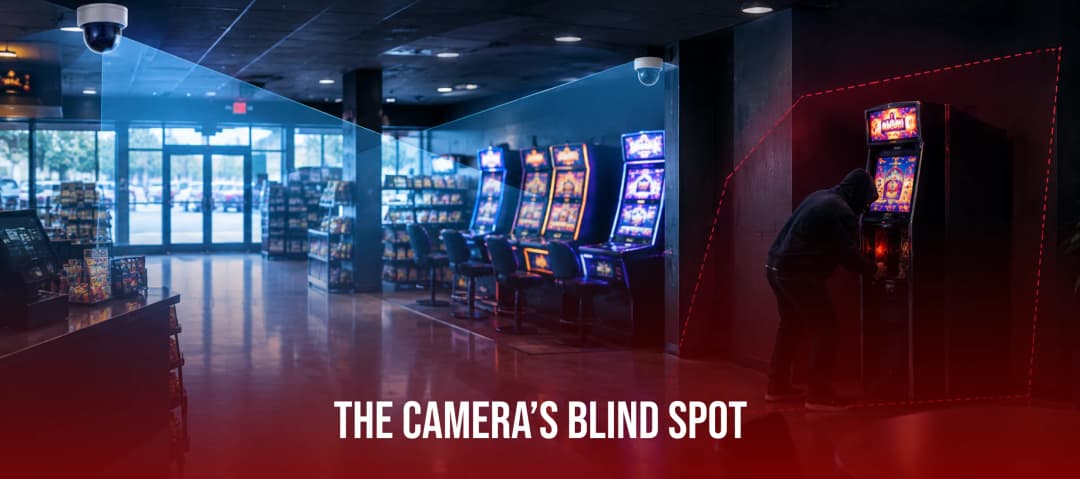
A hardwired alarm system is the only way to ensure 100% uptime. By using a cabinet door alarm that is physically wired into the machine's heart, you eliminate the "false alarm" headaches that lead to unnecessary emergency service calls. Understanding what actually stops tampering is vital for long-term route health.
5. Installation Efficiency: Spring Cage Terminals
If you have 50 machines to secure, you don't want your lead technician spending an hour on each one stripping tiny wires and fighting with screw terminals that vibrate loose over time.
Experienced route leads look for spring cage terminals (or spring cage connectors). These allow for tool-less, vibration-proof connections. It sounds like a small detail, but when you multiply it across a route, it significantly impacts technician time management and reduces maintenance costs over the life of the equipment. Using operator-grade parts ensures the job is done once.
6. Built for the Grind: Tamper-Resistant Enclosures
The alarm itself shouldn't be the weak link. If a thief can open the door and immediately snip a wire or smash the control board, the system has failed.
Evaluate the housing. A tamper-resistant enclosure protects the "brains" of the security system. When combined with a battery backup alarm, the system stays alive even if the intruder cuts the building's mains or the machine's power cord. This ensures vending machine protection remains active 24/7, even during unnoticed tamper events.
The Bottom Line on Route Profitability
Every minute a machine is down is a minute it isn't earning. A high machine downtime cost can kill a small operation. By investing in no-nonsense security like the CG-1000, you aren't just buying an alarm; you are buying equipment reliability improvement. You are preventing the break-in before it happens and ensuring that when your tech arrives for a collection, the money is actually there.
Standardizing your route with one universal, hardwired solution allows for better route cost analysis and a much higher level of asset protection. Realizing that route profitability depends on standardization is the first step toward scaling.