Preventing Internal Access Risks: Stop the Profit Bleed on Your Route
Mar 27, 2026
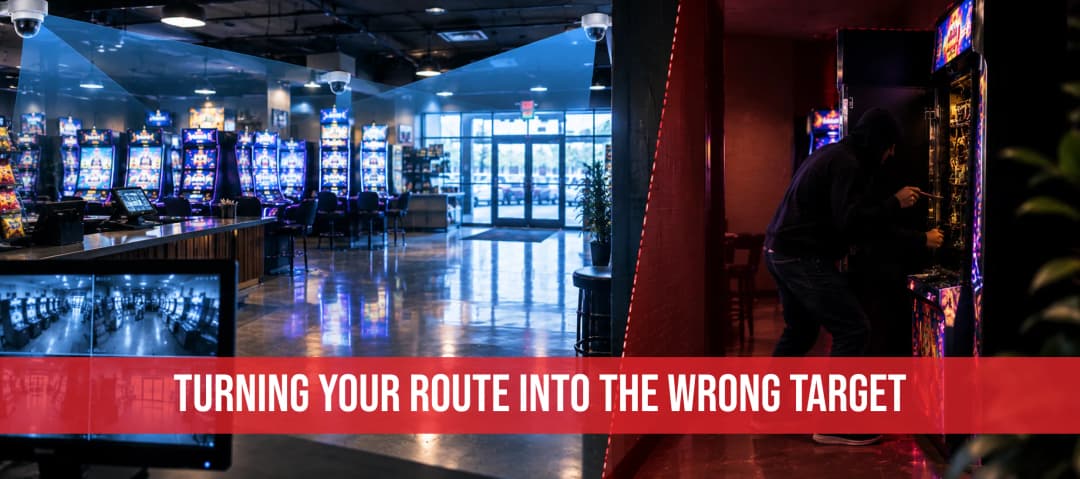
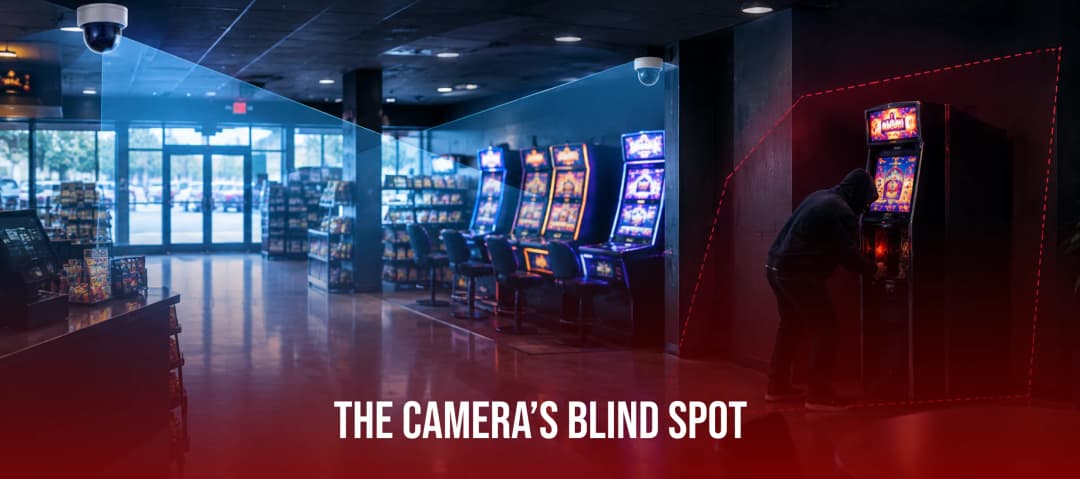
In the amusement and skill game industry, we talk a lot about "smash and grabs." We worry about the crowbar at 3:00 AM. But ask any veteran route operator, and they’ll tell you the same thing: the real damage doesn’t always come from a broken window. It comes from the "soft target" vulnerabilities, the unauthorized cabinet entry that leaves no marks but results in a short cash box.
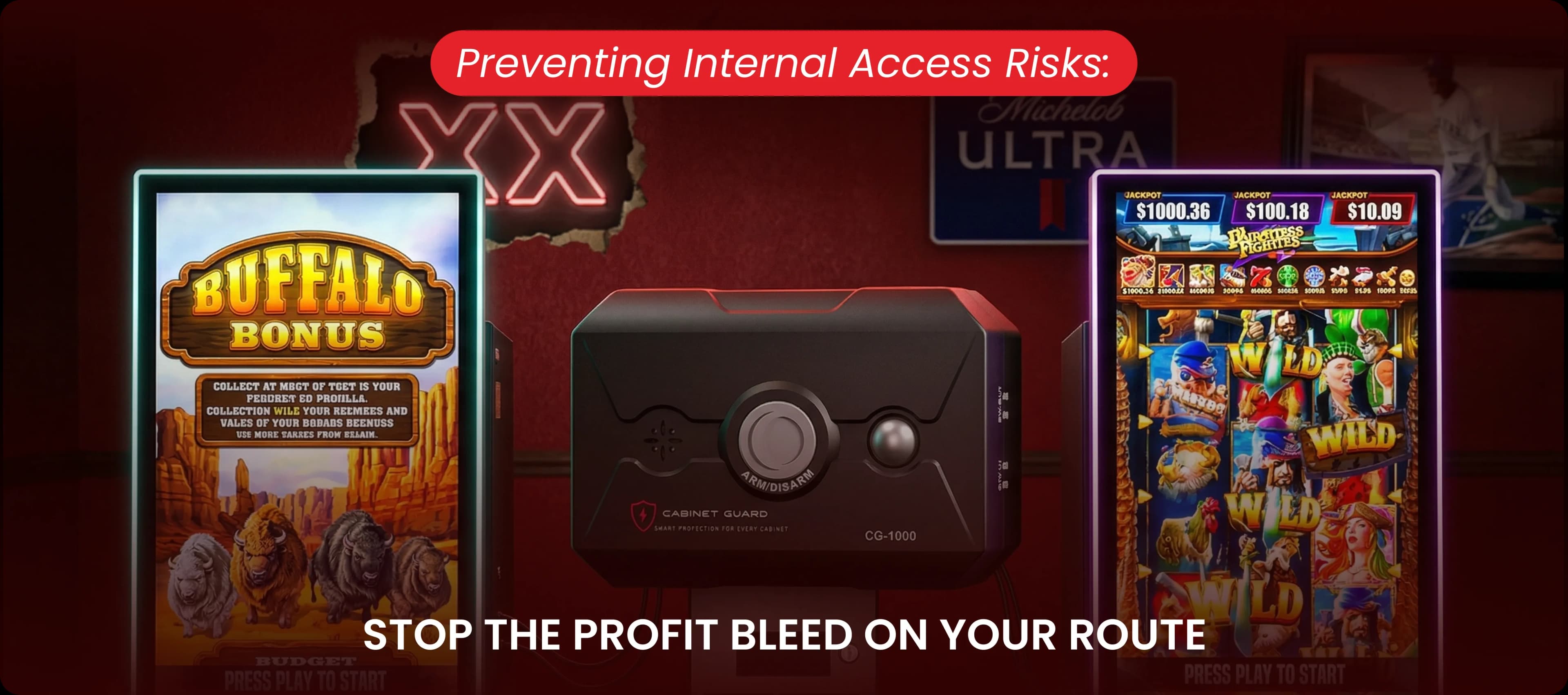
When we designed the Cabinet Guard’s CG-1000, we didn't just build a siren. We built a tool for operational risk mitigation. Most routes are leaking margin through a combination of internal theft, "fishing" attempts, and location employees who treat your machines like a personal piggy bank. If you are relying solely on mechanical locks, you aren't running a secure route; you’re running a route on the honor system.
TL;DR: The High Cost of Internal Vulnerability
- The Problem: Mechanical locks offer zero accountability and are easily bypassed by "insiders."
- The Cost: Unauthorized access leads to cash shrinkage, increased downtime, and excessive truck rolls.
- The Solution: A hardwired, universal cabinet door tamper alarm like the CG-1000 that provides a 100 dB deterrent and secure iButton access.
The Math of the "Silent Margin Killer"
Let’s look at a typical skill-game route scenario. Most operators view cabinet security as an insurance policy, something you hope you never need. But a real route profitability analysis tells a different story.
Every time a machine is tampered with, you aren't just losing the cash inside. You are facing the cost of machine downtime. If a validator is jammed or a door is left slightly ajar by an unauthorized person, that machine isn't earning.
In a standard vending machine security context, an "unnoticed" tamper event might keep a machine out of service for three days before a technician arrives. Between the service call cost, the technician’s time, and the lost play, a single "soft" break-in can easily cost an operator $500–$1,000, even if the thief only walked away with $50.
Downtime Cost Analysis
By implementing a loss prevention system that alerts the location immediately, you flip the script. You stop the event while it’s happening and protect your physical security infrastructure.
Why "Smart" Security Fails in the Field
There is a trend toward "smart" locks and IoT-connected devices. In a climate-controlled office, they work great. In a bar in rural Pennsylvania or a truck stop in Georgia, they are a liability.
We’ve seen it repeatedly: Wi-Fi jamming, cellular dead zones, and Bluetooth lag make wireless systems unreliable. A hardwired alarm system like the CG-1000 is the only way to ensure 100% uptime. Our no-nonsense security philosophy means no apps, no cloud, and no monthly fees.
When you compare wired vs. wireless security for a route, the wired option wins every time on equipment reliability improvement. You don't want a "security notification" that arrives 20 minutes late because the location’s router rebooted. You want a 100db siren that hits the moment the door moves.
Standardizing Your Fleet with Cabinet Guard CG-1000
Most route operators deal with a "mutt" fleet, a mix of older coin-op cabinets, newer skill games, and various redemption machines. This creates a nightmare for technician time management.
The CG-1000 was built to be a universal cabinet door tamper alarm. Whether you are dealing with a 12V or 24V AC/DC environment, the board handles it. We used spring cage terminals (SW-IN / SW-OUT) to ensure that the door switch wiring is plug-and-play. This allows your team to maintain technical security standards across the entire route, regardless of the cabinet manufacturer.
The iButton Advantage: Internal Theft Prevention
The biggest risk to your route is often the person with a key. Internal theft prevention requires more than just a metal lock; it requires a change in how you manage access.
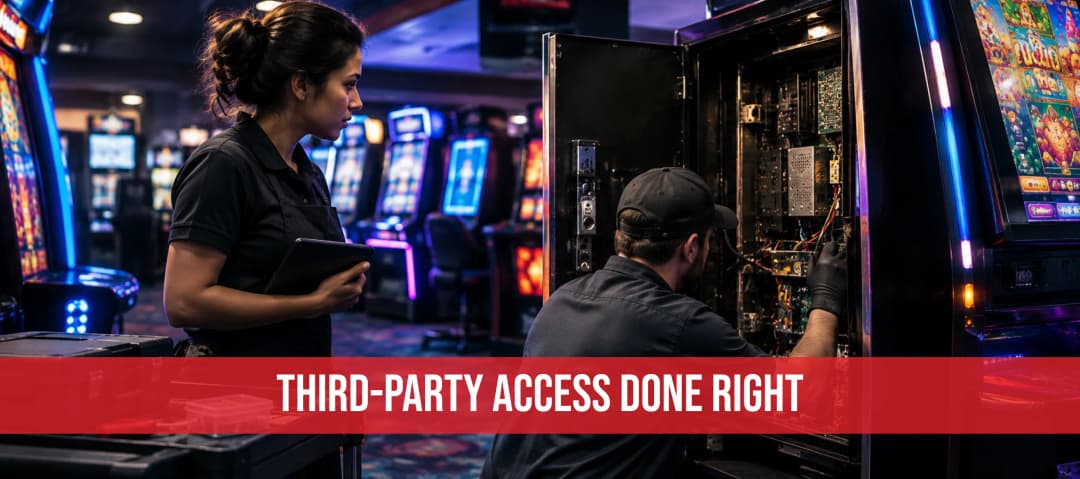
With our iButton access control, your technicians can "shunt" or bypass the alarm for service. This creates a clear line between an authorized opening and machine tampering. If the siren goes off, it means someone who wasn't on your service team opened that door. It’s that simple.
Operational Efficiency: Reducing Truck Rolls & False Alarms
Nothing eats route profit faster than nuisance alarms. A cheap magnetic sensor that trips every time a patron bumps the machine is a liability. It leads to false alarm reduction issues that cause location owners to eventually unplug your security system altogether.
We focused heavily on preventing the "false alarm" cycle. The CG-1000 is housed in a tamper-resistant enclosure with voltage spike protection, ensuring that electrical noise from the machine doesn't trigger the siren.
By reducing truck rolls for non-events, your technicians can focus on actual maintenance rather than chasing ghosts. This is the definition of operational risk mitigation: spending less time on the road and more time keeping your machines earning.
Implementation: A System Built for the Field
Every CG-1000 unit is designed to survive the realities of a route.
- Tamper-Resistant Enclosure: Prevents anyone from reaching in to snip wires.
- 12-24V AC/DC Support: No need for separate power converters.
- Battery Backup Alarm: Keeps the theft deterrent system active even if the machine is unplugged.
- Multi-door Expansion: Use one CG-1000 to protect the main door, the cash box, and the logic board.
Security shouldn't be a DIY project involving hobbyist parts. To truly protect cash and maintain fleet standardization, you need hardware that was built by operators, for operators.
Moving Toward a Secure Route
Taking control of your route's internal security doesn't have to be a massive overhaul. It starts with identifying the machines where your margins are the thinnest and implementing a reliable, hardwired standard. When you eliminate the "soft" entry points and provide your technicians with the right tools to access the equipment, you stop the silent margin killer in its tracks.
Ready to see the specs?
If you’re looking to move beyond mechanical locks and start protecting your bottom line with field-tested hardware, the next step is simple.