Why False Alarms Hurt: Real Cost of Bad Vending Machine Security
Mar 13, 2026
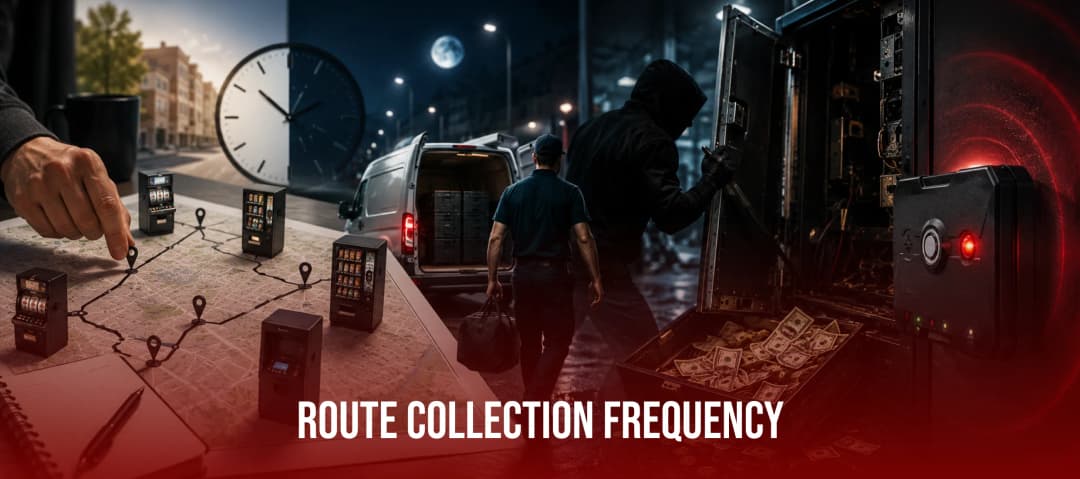
In the route business, your technicians are your most valuable asset. They keep the machines running, the cash flowing, and the locations happy. But if you’ve ever installed a low-quality vending machine alarm system, you know exactly what happens three weeks later: the technician gets a "tamper" alert at 2:00 AM, drives forty miles, finds a perfectly intact machine, and promptly cuts the alarm wires.
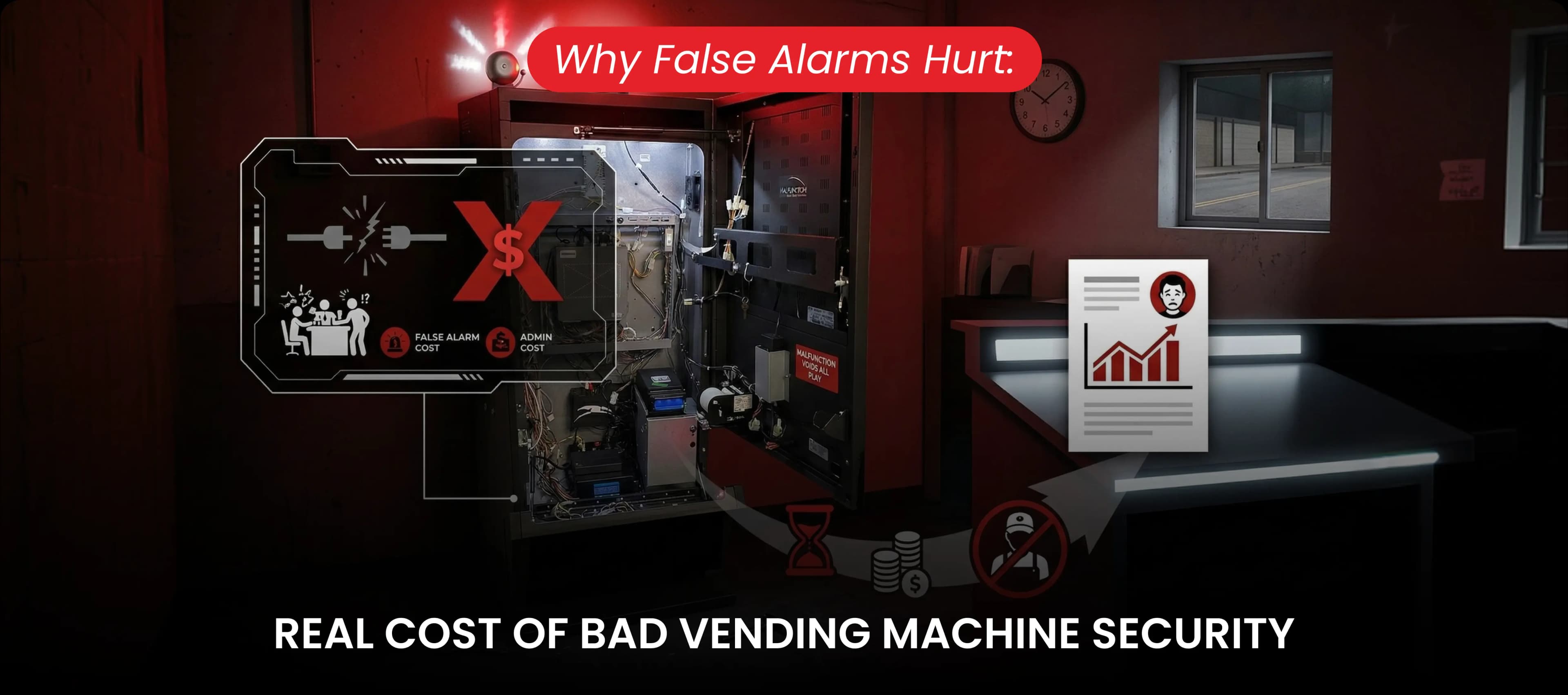
This is alarm fatigue, and it’s a silent killer of route efficiency. When a vending machine security system "cries wolf," it doesn't just waste gas; it trains your team to ignore real threats.
In high-traffic environments like bars, laundromats, or amusement centers, machines get bumped constantly. If an alarm cannot distinguish between normal activity and someone picking the cabinet locks, operators quickly stop trusting it.
Key Takeaways for Operators
- The "Crying Wolf" Effect: Frequent false alarms lead technicians to disable security systems, leaving your machines completely unprotected.
- Operational Drainage: Every unnecessary "truck roll" costs $75–$150 in labor and fuel, eating into the machine's monthly net.
- Wired vs. Wireless: Hardwired systems using a mechanical switch or reed switch eliminate the signal interference and battery failures common in "smart" IoT devices.
- Service Integrity: True machine access control requires an operator-specific key (like an iButton) to distinguish between a thief and an authorized collector.
The Hidden Cost of "Crying Wolf" on the Route
Every time a vending machine anti-theft device triggers unnecessarily, it costs the operator money. Beyond the immediate waste of fuel and labor, there is the risk of the "big hit." In a typical skill-game or vending route, a successful break-in doesn't just cost you the cash inside; between damage to the validator, cabinet repair, and lost uptime, the real cost of a loss is usually a minimum of $4k to $10k.
If your team stops trusting the cabinet tamper alarm because it triggers every time a jukebox plays a heavy bass line, they stop responding with urgency. This delay gives thieves the window they need to clean out the stacker box. Ensuring you have reliable protection in high-traffic locations is the only way to maintain a high-alert culture among your staff and prevent unauthorized access effectively.
Why Traditional Vending Machine Alarm Systems Fail
Most off-the-shelf theft prevention devices rely on cheap vibration sensors or wireless connectivity. In the world of amusement park security and street routes, these are a recipe for disaster. Metal cabinets act as Faraday cages, causing wireless signals to drop and trigger "offline" alerts that become just another annoying notification.
To achieve true vending machine protection, you have to move away from "smart" sensors that are too sensitive for their own good. Real-world break-in prevention requires a physical, hardwired connection. When evaluating your options, it's vital to choose a system designed for the route rather than relying on consumer-grade hardware that can't handle the field.
Solving the False Alarm Crisis with Hardwired Logic
The most reliable way to monitor a machine is through a physical cabinet door alarm.
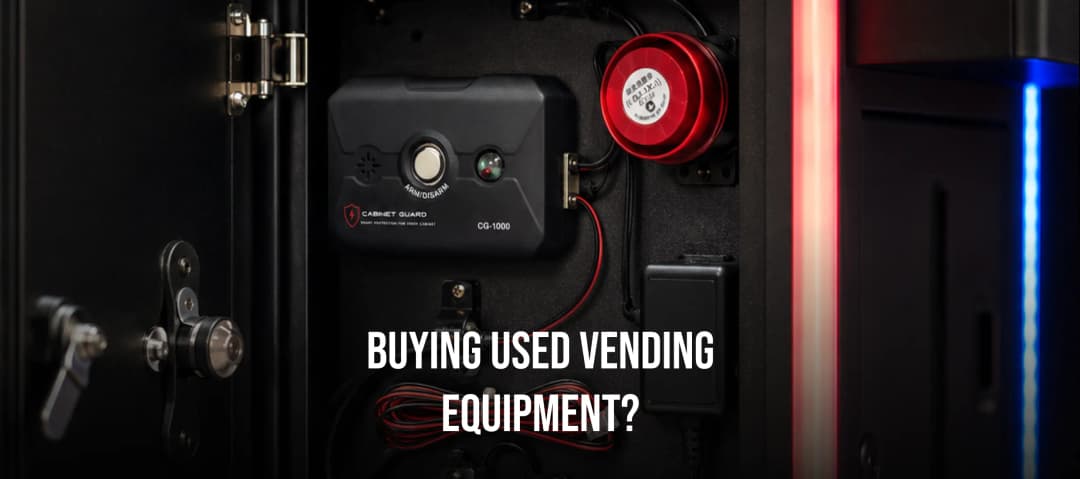
This is exactly the problem we designed the Cabinet Guard CG-1000 to solve. By using a dedicated cabinet alarm, the system only triggers when the door physically moves.
Instead of guessing if a vibration was a thief or a floor buffer, a hardwired system provides definitive machine access control. It is a theft prevention system built specifically for the rigors of the field. This shift toward active defense solutions is why many are moving away from traditional cabinet locks in favor of integrated electronic monitoring.
Built for the Field: Hardware That Lasts
When we designed the CG-1000, we consulted with 16+ operators who were tired of systems that were "a pain to service." We solved that by focusing on no-nonsense hardware:
- Service Mode via iButton: Operators use a unique key to enter a "service mode," allowing for legitimate collections or arcade cabinet repair without the 100+ dB siren firing.
- Reliable Power: Supporting 12–24V AC/DC, it taps into existing machine power, avoiding the dead-battery pitfalls of standalone vending machine security.
- Vibration-Proof Wiring: We use spring-cage terminal blocks because screw terminals can vibrate loose in a moving truck or a high-vibration arcade. This ensures your terminal block wiring stays secure for years.
- Visual Status: A clear led alarm indicator lets a technician know if the system is armed before they even open the cabinet door hardware.
Making Your Route More Efficient
Effective small business security shouldn't be a hurdle for your staff. By upgrading to a hardwired cabinet alarm, you decrease the "noise" on your route. If you are seeing the warning signs of outdated security, it is time to transition to an anti-theft cabinet setup that actually stops tampering.
Investing in high-quality vending machine anti-theft hardware means your security works in the background. Whether you are protecting a vending machine anti-theft cabinet or a high-earning skill game, the goal is the same: stop tampering, stop losses, and keep your technicians focused on productive service calls.
Ready to eliminate false alarms and secure your route? Learn how CG-1000 works.