ATM Theft Prevention: Why Physical Security Still Matters
Apr 22, 2026
The thing is, we spend a lot of time worrying about the high-tech stuff. We talk about EMV upgrades, TR-31 key blocks, and preventing logical attacks through the software. But if you’re running a route in the real world, you know that a thief with a $10 pry bar or a stolen service key doesn’t care about your encryption. If they can get the door open quietly, your ATM theft prevention strategy has already failed.
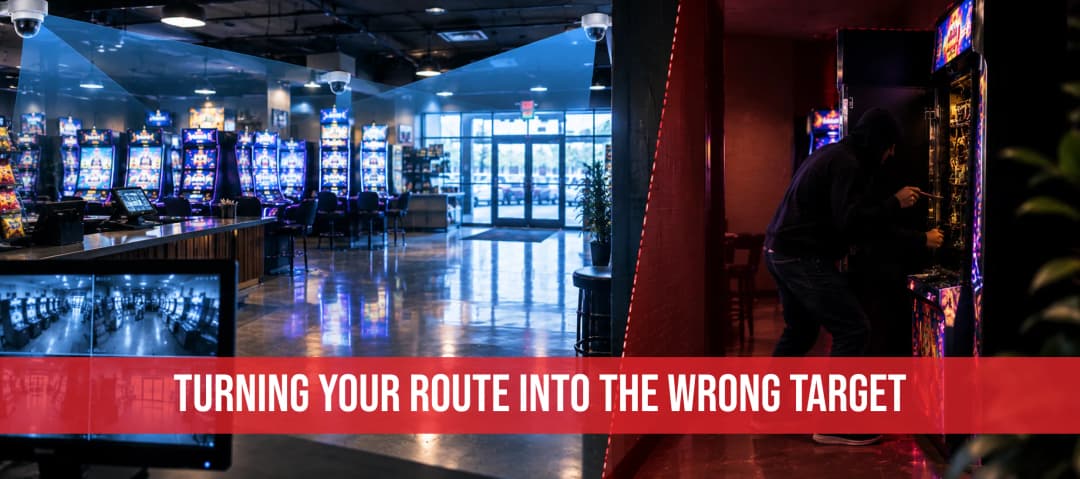
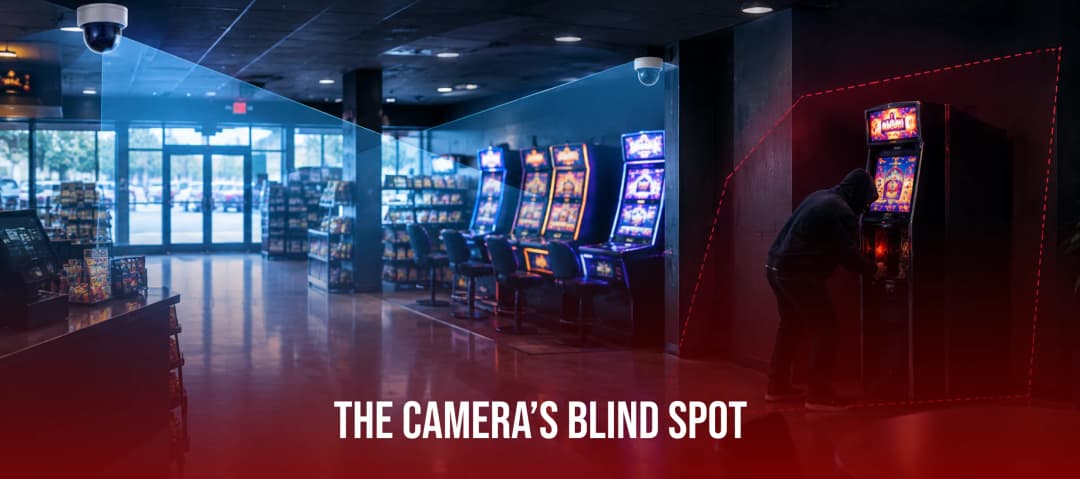
For independent operators, the threat isn't just a van pulling a machine through a storefront window. It's the "clean theft." This is when someone accesses the cabinet in a busy C-store, manipulates the internals, and walks out with the cassette without anyone noticing a thing. Physical security isn't just about a heavy vault; it’s about making the environment inside that cabinet so hostile that no one wants to stay in it for more than three seconds.
ATM Theft Prevention TL;DR
- Physical Reality: Digital security is useless if your cabinet door is easily breached.
- The Noise Factor: Why a 100+ dB ATM alarm sound is your best deterrent.
- Clean Theft Prevention: Addressing the vulnerability of standard keys and "service mode" exploits.
- Hardened Hardware: Why standalone, wired ATM anti-theft devices outperform complex IoT solutions.
The Vulnerability of the Retail ATM
Most retail ATMs are placed in unmonitored corners of gas stations or convenience stores. They aren't behind bank glass. You're essentially leaving a box of cash in a high-traffic public space and trusting a basic cam lock to protect your livelihood. This is where ATM physical security becomes a localized battle.
Why the Top Box is the Primary Target
Thieves have gotten smart. They don’t always break the safe. They target the top box to access the mainboard, hoping to initiate a "jackpotting" attack or simply to cut the power to your communication lines. Without a dedicated ATM alarm system, you won't know the cabinet has been compromised until your next collection. By then, the trail is cold.
Recognizing the Warning Signs
If you've seen the warning signs, you know these vulnerabilities are real. Scratches around the lock, loose bezel plates, or unexplained "reboots" in your transaction logs often point to a physical breach that was interrupted.
The Psychology of a Breach
Think about a typical theft timeline. A guy walks in with a generic service key or a thin pry tool. He’s calm. He looks like a tech. He opens the door and starts working.
Disrupting the Thief's Timeline
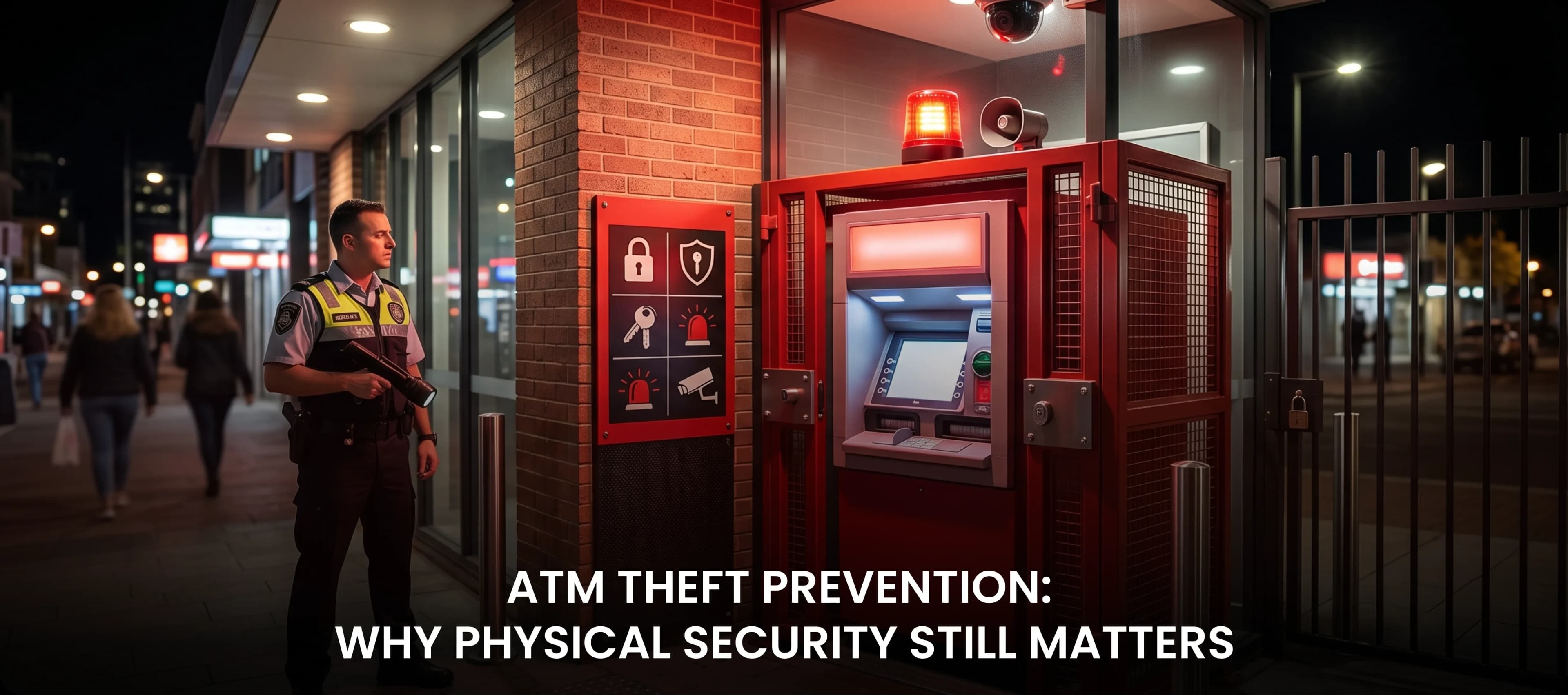
Now, imagine the moment that the door cracks open, a 100+ dB ATM alarm sound starts screaming through the store. At the same time, a high-intensity LED strobe starts flashing inside the cabinet. The thief's "quiet window" is gone. The psychological shift from "I'm a technician" to "I'm a criminal" happens instantly.
Stopping Smash and Grabs
Most of the time, they won't even try to finish the job. They just want out. This kind of ATM protection system isn't about calling the cops; it’s about ending the event before the cash moves. It is exactly how tamper alerts stop smash and grabs in high-traffic spots.
Closing the Gap in ATM Key Management
Standardization is the enemy of ATM key management. Too many machines on the street still use factory-default keys. If you’re running a route, you have to assume that someone, somewhere, has a copy of your cabinet key.
Implementing Secondary Authentication
Your ATM security alarm shouldn't be tied to the same physical key as the door. By using a secondary, independent authentication method, like an iButton operator key, you add a layer that the thief doesn't have. Even if they pick the lock or pry the door, they can’t "disarm" the system.
Protecting Your Technicians
It creates a situation where only your trusted technicians can access the machine without triggering a scene. This is a cornerstone of ATM security best practices that many operators ignore until they’ve been hit.
Your ATM Security Checklist
If you’re looking to harden your route, you can’t rely on a single solution. It’s a layering game. You can find our articles page for more resources on multi-layer defense.
Hardware Hardening Basics
- Physical Anchoring: If they can't move the machine, they have to work on it in place.
- Door Integrity: Check your gaps. A tight door is harder to pry.
- Internal Alarms: Install ATM alarms that operate independently of the machine's power.
- Lighting: Ensure the machine is in a well-lit area where a strobe will be highly visible.
Scalable Route Protection
When you're ready for deployment, following an installer's SOP ensures your security is consistent across every zip code. Consistency is what separates a professional route from an easy target.
Field-Tested Protection: The Operator's Approach
We’ve seen it time and again: operators try to DIY a solution with magnetic house alarms or cheap wireless sensors. They fail. Wireless signals get blocked by the metal cabinet, and batteries die when you least expect them to.
Why Wired Hardware Wins
Real ATM theft protection requires a wired, 12–24V AC/DC system that draws power from the machine but has a dedicated battery backup. You need something built for the vibration and electrical noise of a cash machine. The CG-1000 was designed exactly for this. It’s a no-nonsense, plug-and-play unit that fits in the palm of your hand but packs enough punch to clear a room.
Investing in Uptime
When you're choosing a security system for your route, you need to know that your cash machine security is handled by hardware that was built by people who have actually been in the field. It makes sense to invest in the cabinet's integrity now rather than paying for a replacement dispenser and a lost cassette later.
The CG-1000 provides the physical deterrence your route needs without the complexity of cloud-managed systems. If you're ready to stop the "clean theft" and secure your cabinets with field-tested hardware, contact us to discuss volume pricing for your route.