
The Operator’s SOP: Installing Cabinet Alarms at Scale
Mar 25, 2026
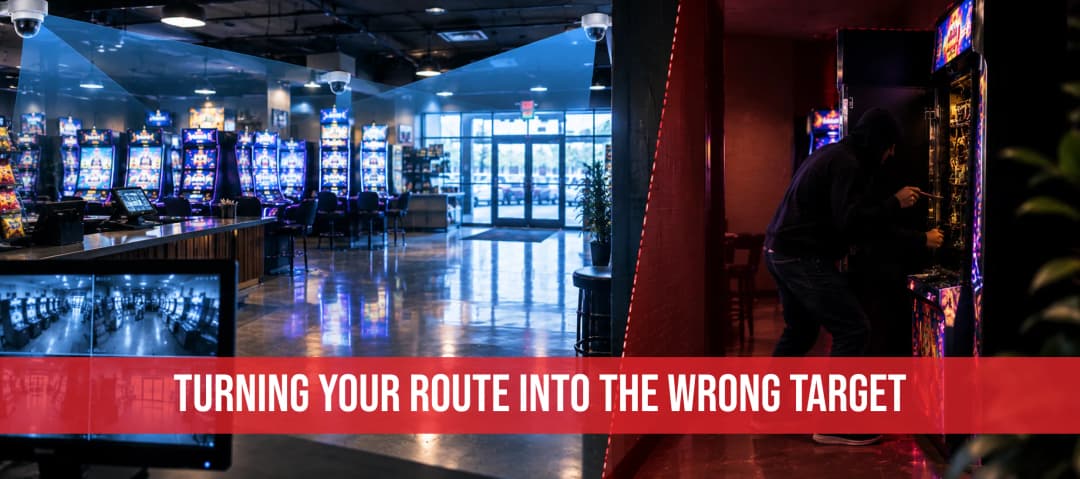
In the route-based entertainment and amusement industry, scale is the goal, but it’s also the greatest risk. When you are managing ten locations, a single door tamper alarm failure is a nuisance. When you are managing a hundred, it’s a systematic drain on your route profitability analysis.
Security isn’t just about stopping a crowbar; it’s about operational risk mitigation. If your field technicians are installing a different "off-the-shelf" sensor in every cabinet, you aren't building a secure route; you’re building a maintenance nightmare. A hardwired alarm system like the Cabinet Guard CG-1000 is designed to eliminate this "installer drift" and solve the common issues where traditional cabinet locks fall short of modern security needs.
True cabinet security comes down to fleet standardization. By treating your security hardware as a part of your physical security infrastructure rather than an afterthought, you can reduce truck rolls and ensure that secure cash collection stays profitable.
TL;DR: The Fleet Standard Checklist
- Standardize Power: Use 12-24V AC/DC hardwired connections to eliminate battery maintenance.
- Vibration-Proof Wiring: Utilize spring cage terminals to prevent loose connections in high-traffic cabinets.
- Control Access: Deploy iButton access control to distinguish between authorized service and machine tampering.
- Physical Protection: Use a tamper-resistant enclosure to protect the brain of the system from internal "reach-around" attacks.
The True Machine Downtime Cost
Every time a technician has to respond to nuisance alarms, you aren't just paying for gas; you are paying for the cost of machine downtime. If a cabinet is flagged as "out of order" or "tampered," it isn't earning. In fact, many operators find that the true cost of downtime far outweighs the physical damage of a break-in.
Let's look at a simple operator scenario for a typical skill-game route:
- Average Service Call Cost: $150 (Labor, vehicle wear, fuel).
- Downtime Loss: $20–$50/hour in lost play.
- The "Cheap" Alarm Tax: If a battery-powered sensor fails twice a year across 50 machines, that is $15,000 in unnecessary service call costs alone.
By implementing technical security standards, you focus on equipment reliability improvement. Investing in no-nonsense security hardware like the CG-1000, built by operators who have faced these exact losses, ensures you lower maintenance costs over the lifecycle of the cabinet and avoids the pitfalls of why DIY cabinet alarms often fail in the field.
Pre-Install: Hardwired vs. Wireless Security
In a world obsessed with IoT, many operators get lured into "Smart" sensors. However, wired vs wireless security is a settled debate for serious route pros. Wireless sensors rely on batteries with a limited battery shelf life and are susceptible to signal interference.
The CG-1000 is a hardwired alarm system for a reason. It offers voltage spike protection and short circuit protection, drawing directly from the machine's existing power supply. Whether you are dealing with skill game cabinets, vending machine protection, or arcade security, a wired connection is the only way to ensure 24/7 asset protection system integrity.
Step-by-Step Installation Standards
1. Power Integration and Voltage Handling
The CG-1000 supports 12-24V AC/DC power. This is critical for fleet standardization because it allows one unit to work across a mixed-fleet cabinet security environment—from old-school 24V AC coin-op machines to modern 12V DC skill games.
- Best Practice: Always tap power after the main switch but before any sensitive logic boards.
- Safety: Ensure the unit is protected by the machine’s primary fuse to prevent power surge damage.
2. Wiring with Spring Cage Terminals
Screw terminals are the enemy of equipment reliability improvement. Over time, vibration loosens screws, leading to false alarm reduction failures. The CG-1000 uses spring cage terminals (SW-IN / SW-OUT) that provide constant tension, making them virtually vibration-proof and ideal for keeping security reliable in high-traffic locations.
3. Mounting the Tamper-Resistant Enclosure
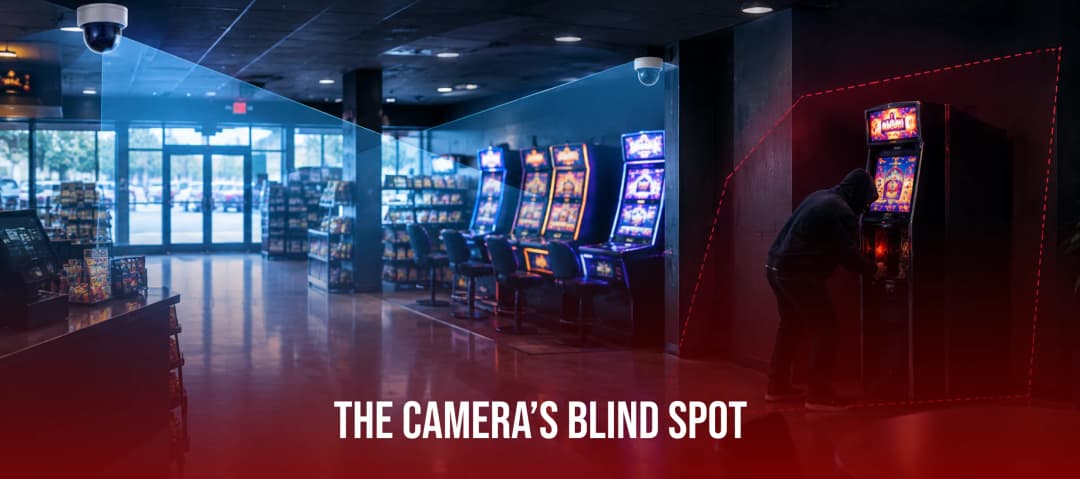
Placement is everything. A cabinet tamper alarm is useless if a thief can snip the wires through a drilled hole.
- Placement: Mount the CG-1000 in a tamper-resistant enclosure deep within the cabinet, ideally near the cash box security area.
- The Siren: The 100dB siren should be positioned to vent sound through existing openings for maximum psychological impact, providing the active defense solution operators need.
4. Implementing iButton Access Control
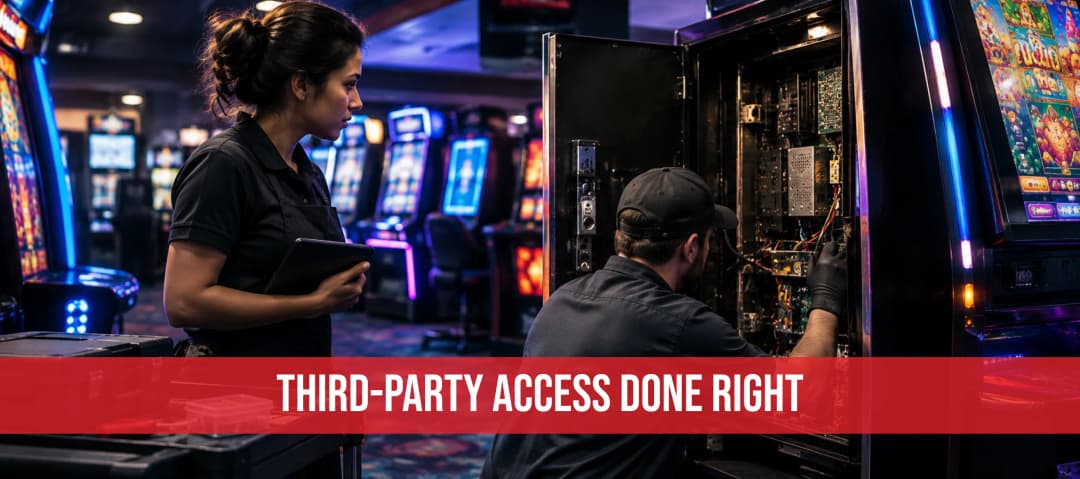
This is where you reduce operational friction. Traditional "bypass" switches are often just a hidden toggle that any savvy thief can find. iButton access control requires a physical, encrypted key to put the unit into "Service Mode," ensuring that unauthorized access is effectively prevented while allowing your team to work efficiently.
Building for the Long Haul
Standardizing your cabinet security isn't just a technical task; it's a loss control system that protects your bottom line. By moving away from DIY fixes and choosing a scalable protection plan like the Cabinet Guard’s CG-1000, you ensure that your technicians spend their time collecting cash, not chasing "ghosts" in the wiring.
The CG-1000 was Built By Operators who know that a security system is only as good as its last emergency service call. When you standardize your physical security infrastructure, you aren't just protecting a machine; you're protecting your time.
If you are ready to stop the "truck roll" cycle and move toward a more reliable, professional standard for your route, our team can help you map out a rollout strategy that fits your fleet's specific needs.