Vending Machine Theft Prevention: A Field Guide for Route Operators
Apr 20, 2026
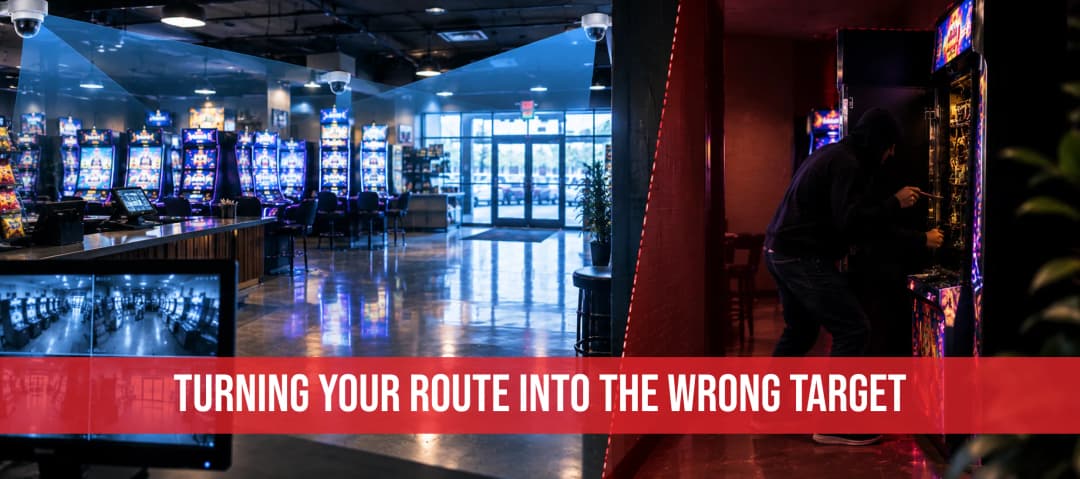
Most route owners have a story about a machine that looked perfectly fine from across the room but was completely empty inside. You walk up to a soda or snack machine at a car wash or a 24-hour laundromat, and everything seems normal. The lock isn't drilled. There are no pry marks on the frame. But once you open the door, the bill validator stacker is gone, or the coin mech has been cleaned out. This is the silent hit. It’s the kind of tampering that makes you realize that standard vending machine hardware just isn't cutting it anymore. The thing is, if you don't hear about the break-in when it happens, you're just left staring at a collection mismatch and wondering how many weeks this has been going on.
TL;DR: Improving Vending Machine Theft Prevention
- Active Response: Move beyond passive vending machine locks and keys; a loud vending machine alarm system is what actually stops a thief in the act.
- Tech-Friendly: Use hardware with an iButton operator key so your route drivers don't have to fumble with codes while trying to stay on schedule.
- Built for the Field: Stick to wired hardware that taps into 12–24V power. It's more reliable than anything that depends on a battery or a Wi-Fi signal inside a steel box.
- Visible Deterrents: Strategic use of vending machine decals can be enough to make a "fisher" move to a softer target down the street.
Why Traditional Vending Machine Locks Fail
The reality of the vending business is that we've been relying on the same mechanical security for decades. While high-quality vending machine t-handle locks are essential, they are essentially a passive defense. A determined thief with a shim, a cordless drill, or even a heavy-duty pry bar can often get past them in under two minutes.
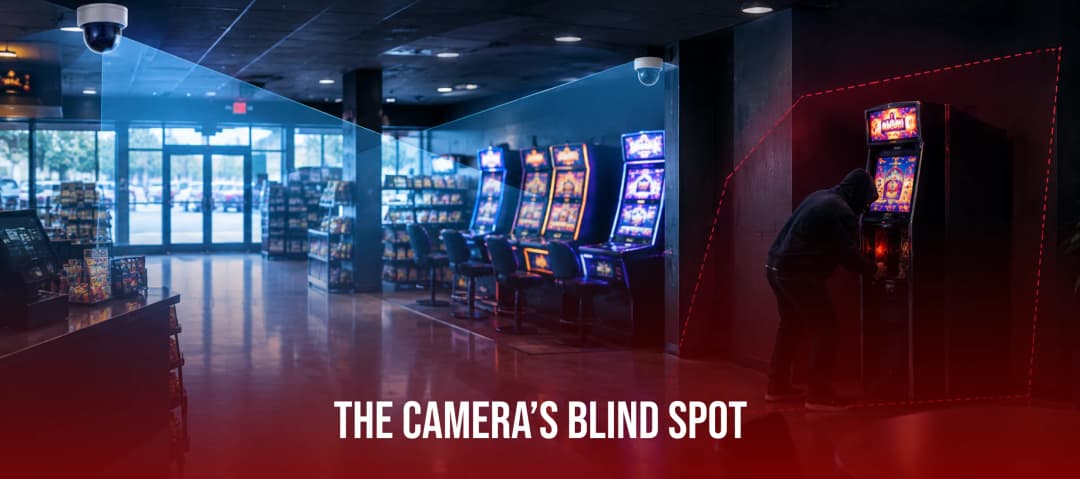
The biggest issue isn't even the metal's strength. It’s the discovery gap. When you rely solely on locks, you only know there's a problem when the machine stops working or when your driver shows up for a scheduled stop. By then, the cash is gone, and the damage is done. Many owners are realizing that what operators actually use for security has changed. A lock keeps an honest person honest, but it doesn't scream for help when a professional starts prying.
Balancing High Security with Route Efficiency
We've talked to dozens of guys who tried to install off-the-shelf security systems only to rip them out a month later. Why? Because the drivers hated them. If an alarm is too hard to disarm or if it triggers every time someone bumps the machine, your technicians will eventually just leave it unplugged.
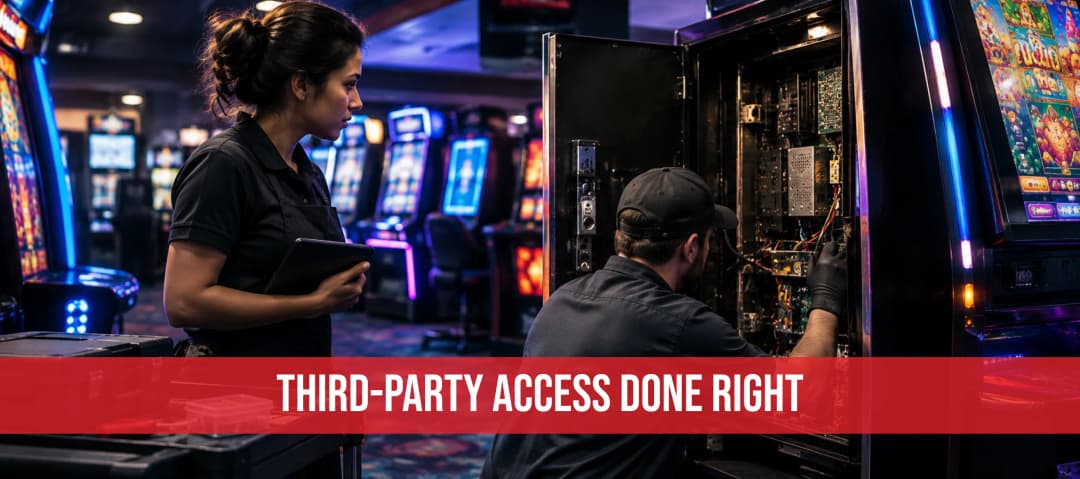
This is why having an easy way to detect and stop tamper events is so critical. You need a system where a driver can walk up, tap a physical iButton key, and go straight to work in a "quiet mode." No apps that won't load in a basement breakroom. No 4-digit codes to remember for fifty different machines. If your vending machine security gets in the way of a five-minute fill, your route efficiency drops, and your labor costs spike. It has to be seamless, or it won't be used.
Hardening the Cabinet: A Practical Vending Security Checklist
If you’re looking at how to prevent vending machine theft across a large route, you need a standardized approach. You can't just throw parts at the problem. It starts with making the machine look like a "hard" target.
- Visual Warnings: Using high-visibility vending machine decals isn't just about branding. It’s about psychological deterrence. If a thief sees a warning about a 100+ dB siren, they’re going to look for a machine that doesn't have one.
- Wired Over Wireless: Don't trust your revenue to a battery-powered sensor. Metal cabinets act like Faraday cages, often killing Wi-Fi and cellular signals. A wired cabinet alarm system that hooks into the machine’s 12-24V AC/DC power is the only way to ensure 24/7 uptime.
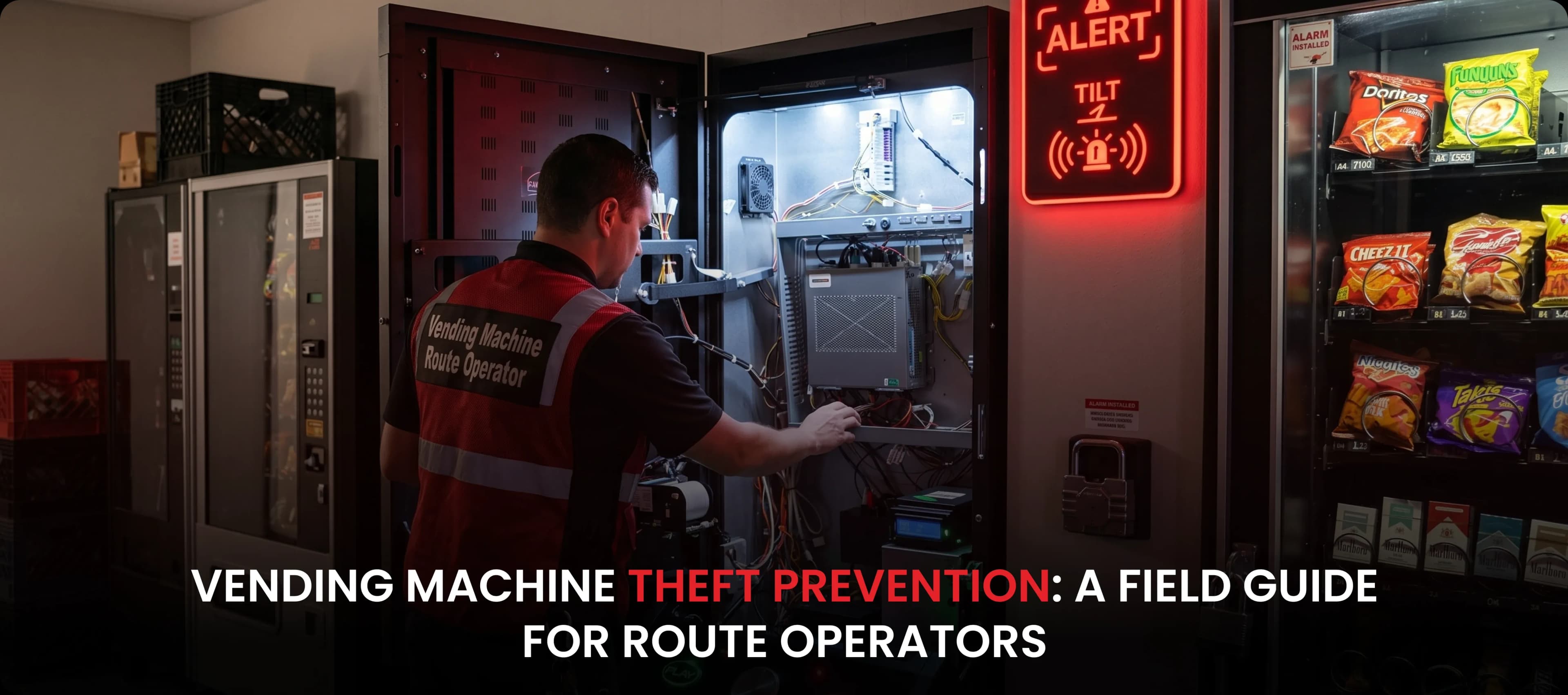
- Secondary Sensors: Adding a vending machine tilt alarm or impact sensor can catch someone trying to rock the machine or drill the lock before they actually get inside.
Whether it's a snack machine or a plush crane, the goal is to create a local alert that makes it impossible for someone to work on the machine in private. You can, like other route managers, check our full list of articles to see how others are handling high-traffic placements
The Financial Reality of a Single Break-In
Sometimes we get used to "shrinkage" as a part of doing business. But when you actually sit down and look at the numbers, a single successful hit is a massive blow to the month's margins.
Let's look at a typical "smash and grab" scenario:
- Replacement Hardware: A new T-handle and some minor vending machine electronic lock parts will run you about $200.
- Cabinet Repair: If they bent the door frame or mangled the coin slot, you're looking at $300 in parts or a whole day in the shop.
- The Float: Most machines carry a couple hundred bucks in change and small bills. Let's call it $250-$400.
- Labor: You have to pull a tech off their regular route for an emergency repair. That's at least $150 in labor and fuel.
Total it up, and you’re looking at $850- $1000 for one "minor" event. It doesn't take many hits to realize that the real cost of bad security is much higher than just the stolen cash. The downtime and the repair costs are what really eat your lunch. Investing in field-tested hardware pays for itself the very first time a siren goes off and scares a thief away before they can do any real damage.
The Field-Tested Approach: The Cabinet Guard Logic
After years of dealing with these exact headaches, we realized that the market was missing something built specifically for us. Most alarms were either too cheap to be reliable or too "smart" to be practical in the field. That’s why the CG-1000 was designed.
It’s a no-nonsense, wired system. It doesn't need an app, and it doesn't care about your Wi-Fi signal. It supports 12-24V power, has a 100+ dB siren that can be heard through a steel door, and uses a simple iButton for the vending machine service mode. It’s about stopping the hit while keeping the route moving. Because at the end of the day, a security system is only as good as its ability to stay out of the way of your bottom line.