Arcade Machine Security: Protecting High-Traffic Amusement Locations
May 13, 2026
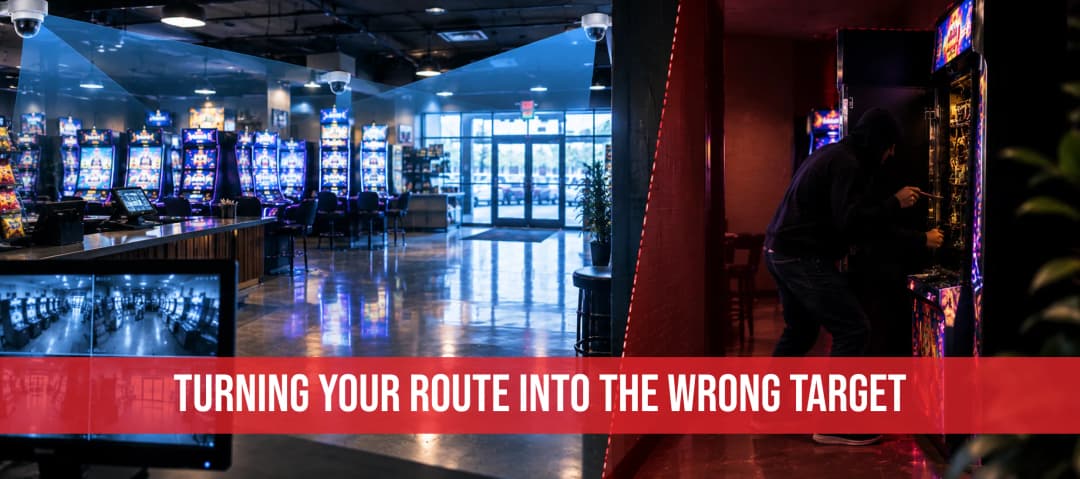
Friday night at a suburban mall arcade is the ultimate camouflage. Between the 90dB wall of game audio and the constant movement of crowds, a thief doesn't need to hide. They just need to look like they belong there. We’ve seen it dozens of times: someone in a work vest stands in front of a game, shields the coin door with their body, and uses a shim to bypass a standard lock in seconds. Because there’s no immediate deterrent, they walk away with the weekend's pull while the machine sits dead. Effective arcade machine security isn't about making a cabinet "unbreakable"; it’s about making it too loud and too risky to touch.
TL;DR: Protecting Your Arcade Route’s Security
- The Visibility Paradox: Busy locations provide cover; arcade machine security must provide an active, audible response to tampering.
- Stop Shimming: A dedicated cabinet alarm triggers the moment a door is moved, even if the lock itself isn't damaged.
- Revenue Protection: Proper loss prevention reduces machine downtime by stopping intruders before they wreck internal components.
- Hardwired Reliability: A hardwired cabinet alarm avoids the signal interference and battery failures common in busy mall security environments.
- Operator Friendly: Systems with ibutton operator access allow your techs to service machines without creating nuisance alarms.
The High-Traffic Vulnerability: Why Busy Locations Are at Risk
In the amusement industry, we often mistake foot traffic for safety. We assume that because hundreds of people are walking by, nobody would dare crack a machine. The thing is, high-volume locations actually work in the thief’s favor. The ambient noise of an FEC or a theater lobby easily drowns out the sound of a prying tool or a clicking lock.
When you’re managing a route in these spots, the goal of your security hardware has to shift. It's no longer just about physical resistance. It's about time and exposure. A passive lock only buys a thief time. An active tamper alarm takes that time away. If a machine screams the moment the door gap opens, the "technician" persona evaporates instantly.
The real hit to your bottom line isn't just the cash in the box. It's the machine downtime that follows. A forced entry usually results in bent frames, snapped wires, or a destroyed coin door. If that machine is offline from Saturday morning until your tech can get there on Tuesday, you’ve lost the most profitable window of the week.
Combatting Lock Shimming and Mechanical Bypasses
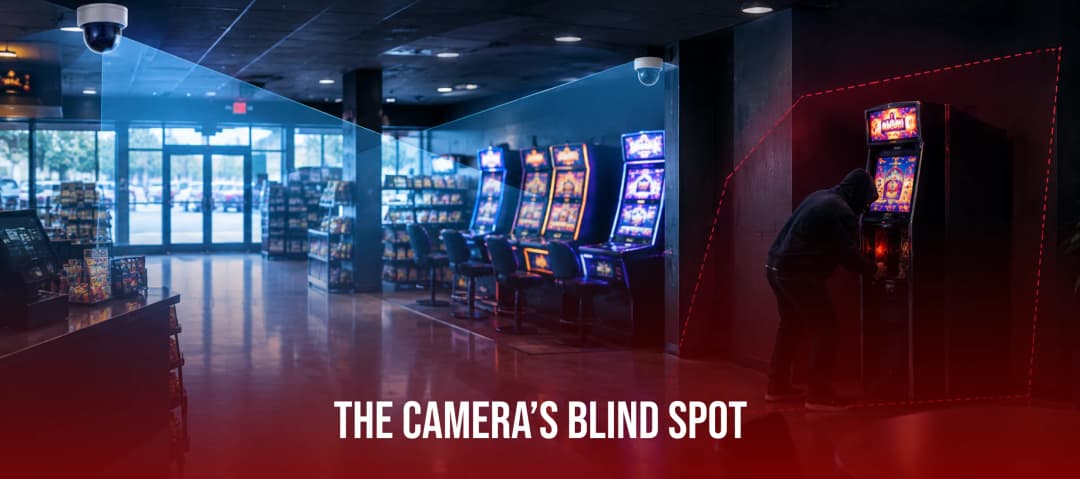
Most arcade cabinet doors are secured by simple cam locks. While these are fine for a low-traffic bar, they’re a joke for a professional thief. Lock shimming, the practice of sliding a thin piece of metal into the lock mechanism, can bypass these in under ten seconds without leaving a scratch.
Since there is no visible damage, you might not even know you were hit until your next collection. You open the door, find an empty hopper, and realize you’ve been "servicing" a thief’s route for two weeks. This is where a local cabinet alarm changes the math.
By installing a system that monitors the physical state of the door rather than the state of the lock, you create a fail-safe. If that door moves even a fraction of an inch without a valid key, the 100+ dB siren does the one thing a thief hates: it draws every eye in the mall to their hands. It’s the difference between a clean getaway and a panicked exit.
Hardwired vs. Wireless: Reliability in the Field
We get asked all the time about wireless sensors or "smart" apps. In a high-traffic arcade machine security setup, wireless is a liability. Between the metal frames of the cabinets and the massive amounts of RF interference in a modern arcade, wireless signals drop.
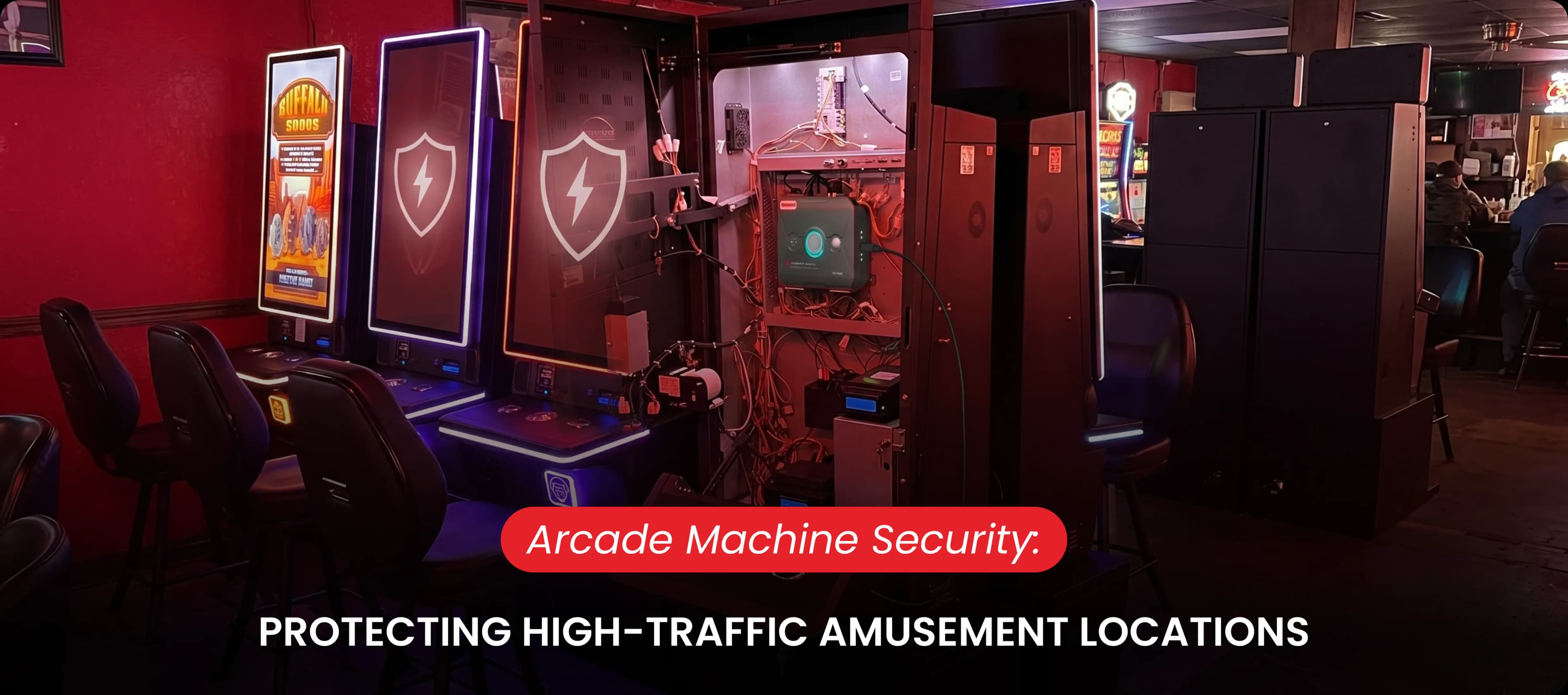
You don't want a "device offline" notification; you want a siren that works every single time. A hardwired cabinet alarm tapped directly into the machine's 12–24V AC/DC power supply is the only way to go. It doesn't rely on the mall's spotty Wi-Fi, and there are no batteries for a lazy tech to forget to change.
Field hardware needs to be rugged. Using spring-cage terminals ensures that even with the constant vibration of a high-action game or a kid kicking the cabinet, your connections stay tight. It’s a "set and forget" approach that actually holds up under the abuse of a busy street route.
Managing the Route: Technician Efficiency
A common pushback from operators is the fear of false alarms. No one wants to be the guy whose machine is screaming because a kid bumped it or a tech forgot his code. That’s why we designed the CG-1000 with a dedicated service mode.
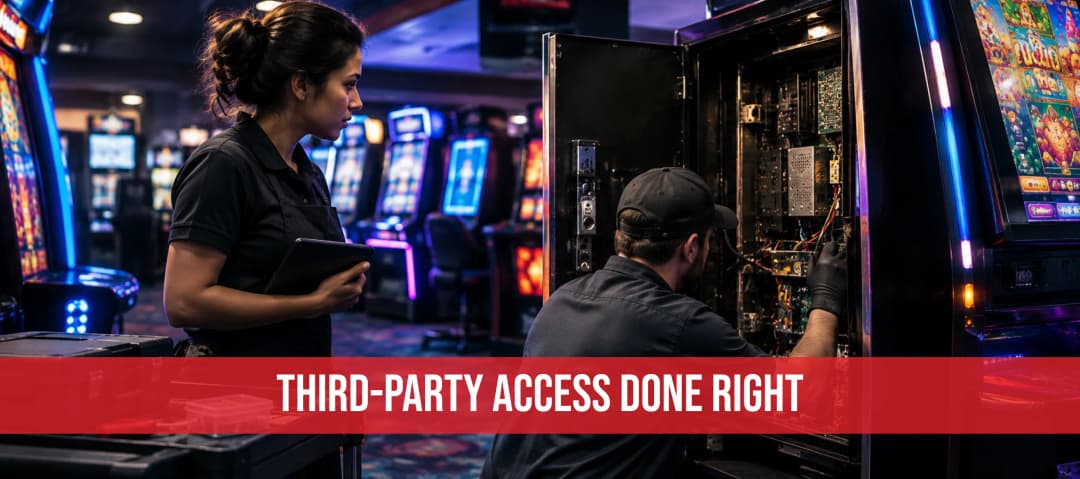
By using the ibutton operator access, your team can disarm the system instantly before they even touch the lock. It’s faster than typing a code and more secure than a physical master key that can be duplicated at any hardware store.
This level of route security also gives you a secondary benefit: accountability. When you use unique keys, you know exactly who opened that arcade cabinet and when. It bridges the gap between mechanical security and operational data, ensuring that your theft prevention efforts cover both internal and external risks.
The Financial Impact: Translating Security into Uptime
Let’s look at the numbers operators deal with every day. A typical breach in a high-traffic mall looks like this:
- Stolen Cash: $400–$1,200 (depending on the game and collection cycle)
- Physical Damage: $250 for a new door and validator repairs
- Labor: $150 for an emergency tech roll
- Downtime: $300 in missed revenue over a 48-hour period
Total impact: $1,100–$1,900 per event.
Investing in dedicated security hardware like a cabinet alarm costs a fraction of a single break-in. When you secure a route, you aren't just buying insurance; you're protecting the "uptime" that keeps your venue partners happy. A machine that’s always working is a machine that’s always making money.
If you’re tired of "silent" losses and the constant cost of repairing tampered cabinets, it’s time to move toward a hardwired solution. Protecting your revenue starts with making sure your machines can speak up for themselves when someone starts poking around where they shouldn't.