Solving Cabinet Tampering in Skill Games and Amusement
Feb 6, 2026
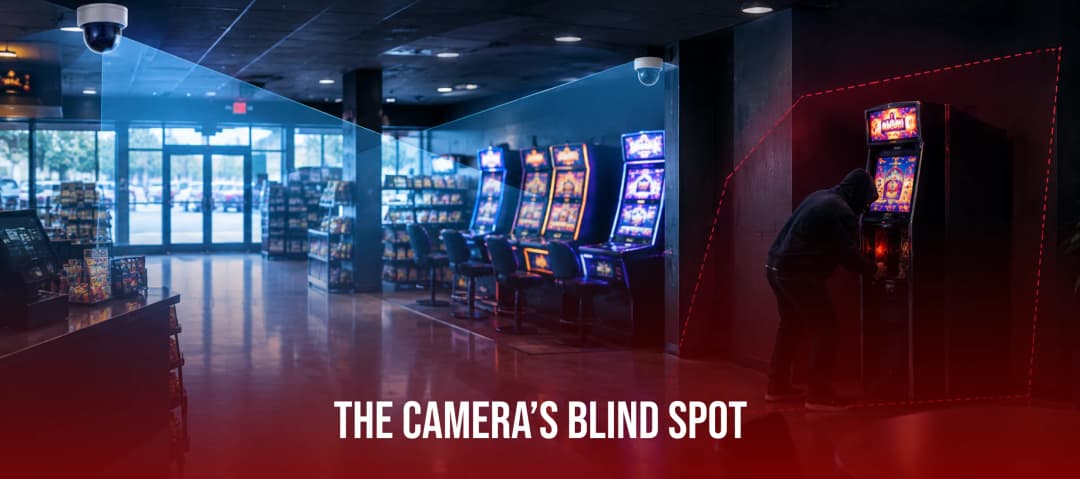
For operators in the skill game and amusement sector, the math of profitability is simple. Maximize uptime, minimize loss. But as any veteran route runner knows, the cost of doing business has quietly shifted. It's not just the cash in the box anymore. Cabinet tampering creates a problem you didn't have five years ago: repair costs, downtime, and a location owner who starts asking questions.
We built the CG-1000 after watching that shift happen firsthand. The industry was still running on lock and key while thieves moved on to faster, quieter methods of getting a door open. This isn't a pitch for hardware. It's a look at what cabinet tampering actually costs, why the common fixes fall short, and what a route-grade alarm needs to do differently.
TL;DR: Cabinet Tampering Defense for Skill Games and Amusement
- The real cost isn't the cash: Frame damage, wiring harness repair, and a technician dispatch usually outweigh what was stolen
- Generic alarms fail in loud venues: A consumer-grade door alarm gets lost in the noise of a busy bar or arcade floor
- Wireless has real drawbacks on a route: Battery upkeep and signal loss inside a metal cabinet make wireless triggers a maintenance headache
- The CG-1000 is wired, not wireless: It draws from the cabinet's own 12–24V AC/DC power, with battery backup if that supply gets cut
- Built for broad compatibility: Works across most skill game, VGT, and amusement cabinet types using existing door switch wiring
- Installation is simplified, not instant: Spring-cage terminals cut wiring complexity, but a technician still needs basic tools and a few minutes on-site
The Hidden Costs of a Cabinet Break-In
When an operator looks at a tampered cabinet, the first thought is usually "how much cash was in the box." That's the easy number to picture. It's rarely the biggest one.
What Actually Gets Damaged
Skill game and VGT cabinets carry sensitive internal hardware, not just a cash box. When someone forces a door with a pry bar, they don't stop cleanly at the lock. Frame rails bend. Bezels crack. Wiring harnesses get yanked loose in the process, sometimes without the intruder even meaning to.
Replacing bent hardware or a torn harness is a real line item, and it's separate from whatever cash was actually taken.
The Dispatch Problem
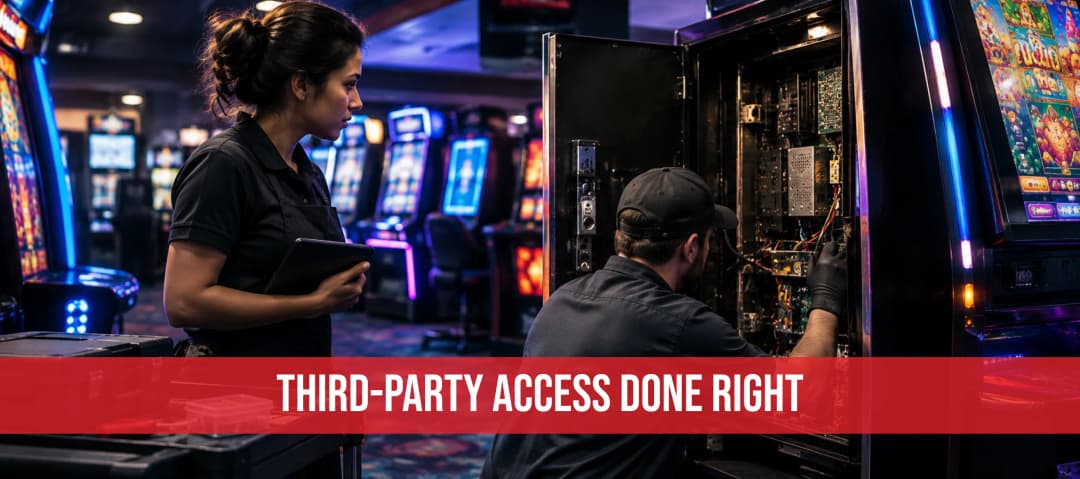
Sending a technician out for an emergency repair isn't free. There's labor, travel time, and parts. If the frame itself is damaged, the unit may need to come off location entirely, which usually means a two-person crew instead of one.
The Talius Annual Commercial Break-In Protection Report puts the average commercial break-in loss between $3,000 and $8,000 once property damage and inventory loss are combined, and notes the break-in itself typically takes under four minutes. A single successful machine break-in can cost operators $10,000+ when stolen cash, cabinet damage, downtime, and service response are combined.
The Location Relationship
Bar owners and convenience store managers don't want a reputation as a soft target. Repeated tampering creates friction with the location, and that friction is how routes actually lose placements, not through a single bad night.
Why the Common Fixes Fall Short
Most operators don't ignore this problem. They just reach for the wrong tool first.
Consumer-Grade Door Alarms
A basic magnetic contact alarm from a hardware store is built for a pantry door in a quiet house. Drop that same unit into a crowded sports bar or a busy amusement floor and its chirp gets swallowed by the room. It's not built for the environment it's being asked to work in.
Wireless Triggers Bring Their Own Problems
Wireless door contact alarms sound modern, but they create real maintenance load on a route. Managing batteries across dozens of sensors is its own job. A cabinet's metal housing can also block the signal from reaching a hub, which means a trigger that never actually reports. Neither problem shows up until the alarm has already failed to do its job.
What the CG-1000 Does Differently
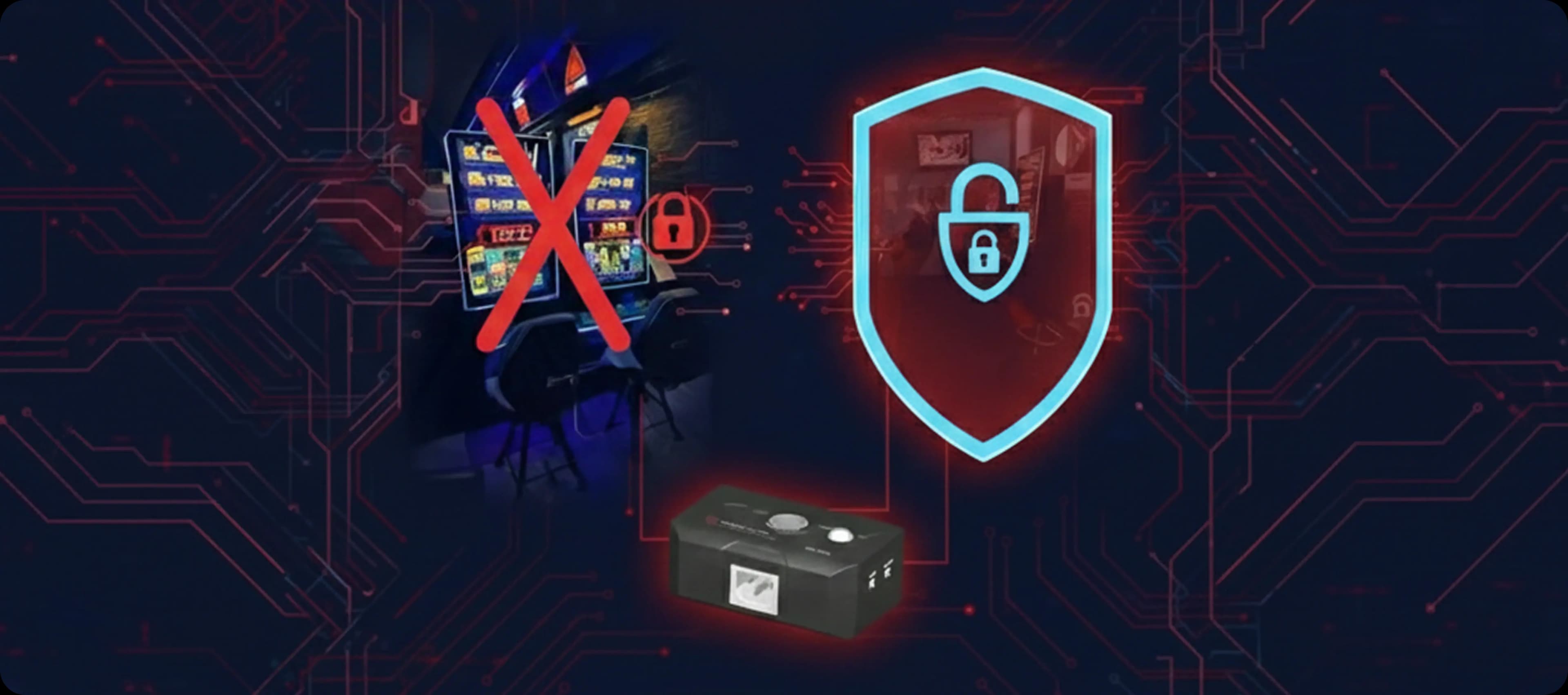
The CG-1000 is a hard-wired, standalone tamper alarm. It skips the wireless dependency entirely and connects directly into the cabinet. It's built around what actually separates operator-grade hardware from the consumer-grade alarms most routes start with.
Power That Doesn't Depend on Batteries
Unlike a wireless sensor running on disposable batteries, the CG-1000 draws from the machine's own 12–24V AC/DC supply. Thieves sometimes try cutting power before touching the door. Built-in rechargeable backup power keeps the alarm armed even if the primary supply is interrupted, so unauthorized cabinet access can still trigger it.
Broad Compatibility, Not a Universal Claim
The CG-1000 is built for broad compatibility across most cabinet types, whether that's a skill game terminal, a VGT unit, or another route-based amusement machine with a door. It uses existing factory door switch wiring where available, with approved trigger accessories for setups that need them.
Deterrence Through Uncertainty, Not Visibility
University of North Carolina at Charlotte’s research on convicted burglars found that 83% check for an alarm before attempting a break-in, and 60% said they'd choose a different target if they found one. The CG-1000 mounts inside the cabinet, so it isn't something a thief can see. The deterrent works differently. A thief who suspects an alarm might be present changes the calculation before ever touching the door.
Once triggered, a 100+ dB siren draws immediate attention and pressures the intruder to leave. That's the mechanism. It's not about being seen. It's about not knowing.
Installation Without the Guesswork
Operators often avoid new security hardware because they expect a complicated install. Spring-cage terminals were part of the fix here. They simplify the wiring connection itself, cutting down on unnecessary complexity during a service call.
That doesn't mean the install is tool-free. A technician still needs basic tools for cabinet access and wire routing. What changes is how much of that time gets eaten up by fiddly wiring work versus straightforward mounting and connection.
Where This Fits on a Route
The CG-1000 is built for skill games, VGT units, and other amusement cabinets that operators manage across a route, whether that's in Texas, Pennsylvania, or Georgia. It's not a home security product, and it's not trying to be. The thing is, most tampering damage doesn't come from a single catastrophic break-in. It comes from the slow accumulation of forced doors, bent frames, and dispatch calls that a route absorbs one location at a time.
Standardizing the alarm across every cabinet on a route makes sense once you start tracking those costs instead of just the cash totals. For operators managing this across dozens of locations, rolling it out at scale looks different than a single install.
If you're weighing options for your own route, it's worth reviewing which cabinet types you're running and where the current gaps are before picking a fix.